
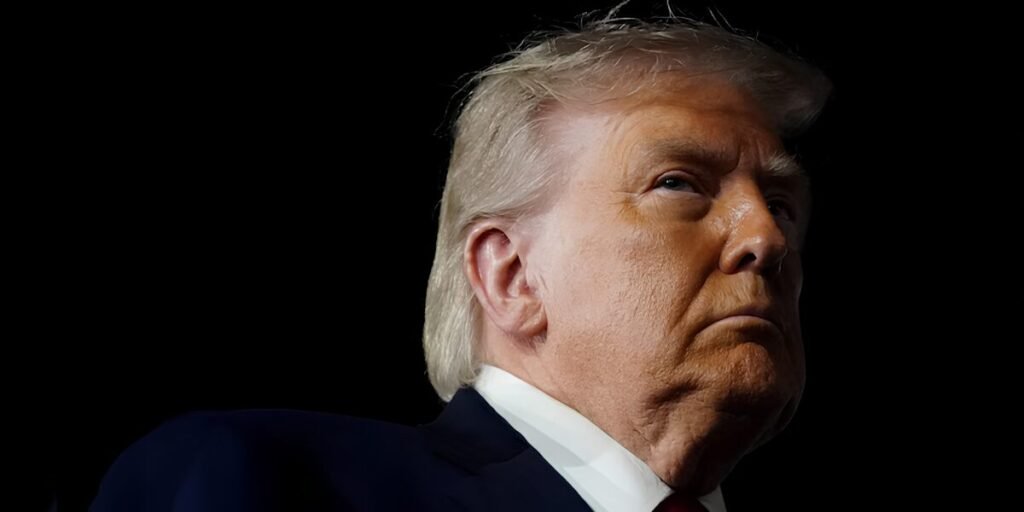
President Trump declared this morning that the United States would hit Iran ‘very hard tonight’ and seize Kharg Island, signalling intent to assume control of Iran’s oil and gas markets as Tehran announced the Strait of Hormuz is now closed to all marine traffic.
The escalation marks the sharpest verbal turn in the Iran war since the April ceasefire took effect, and unwinds the fragile sixty-day memorandum of understanding that had been keeping a narrow channel of diplomatic engagement open. US Central Command was at pains to clarify on Thursday morning that the Strait of Hormuz remained navigable in practice, but the Iranian announcement alone is enough to send insurance premiums on Gulf-bound tankers back to wartime highs and to send oil bid into the open.
Kharg Island is the centre of gravity of the threat. The terminal handles more than 90 percent of Iran’s crude exports, and seizing it would not only choke Tehran’s remaining revenue but also hand Washington a physical lever it has never previously held over global oil pricing. Trump drew an explicit parallel with the administration’s approach to Venezuelan oil revenues, a comparison that policy lawyers in Washington have spent the morning trying to game out.
What the threat actually entails
Three pieces of machinery would have to move for this to become operational policy rather than rhetoric. First, a sustained military operation against Iranian air defences along the northern Gulf coast, which is materially more demanding than the strikes already exchanged this week. Second, an executive order or sanctions framework that would seek to convert seized infrastructure into US-administered output — a structure for which there is no clean modern precedent. Third, an explanation for allies in Riyadh, Abu Dhabi and Doha, none of which would want a US-administered competitor sitting offshore from their own export terminals.
“We will be taking Kharg Island, and other oil infrastructure points.”
— President Donald Trump, Truth Social, June 11, 2026
The corporate-counsel checklist
For US-listed energy majors and any company with Gulf logistics exposure, three things now belong on the immediate review list. Sanctions counsel needs to re-screen counterparties against any expanded designations that could follow a Kharg announcement. Logistics teams should re-stress test shipping alternatives via the Suez and Cape of Good Hope, particularly for cargoes already in transit. And insurance brokers will want fresh confirmation of war-risk coverage limits, which historically have been the first line item to be renegotiated when Hormuz language enters the headlines.
What Congress and Westminster do next
The White House has not yet sought congressional authorisation for any expansion of operations beyond the existing 2001 and 2002 use-of-force frameworks, and a War Powers Resolution challenge is now considered probable inside both chambers. In London, the Foreign Office is expected to summon the US ambassador for clarification before the close of business — not because Britain will publicly oppose the rhetoric, but because the operational implications for UK-flagged tankers and Royal Navy assets in the region need to be understood within hours, not days.
The pricing implication is the bluntest. Brent jumped sharply on the Trump post and is now trading meaningfully above its Wednesday close. If the Kharg threat moves from Truth Social to a formal directive, the bank consensus that has held oil in a $90 to $110 band for most of the spring will need to be redrawn.

