
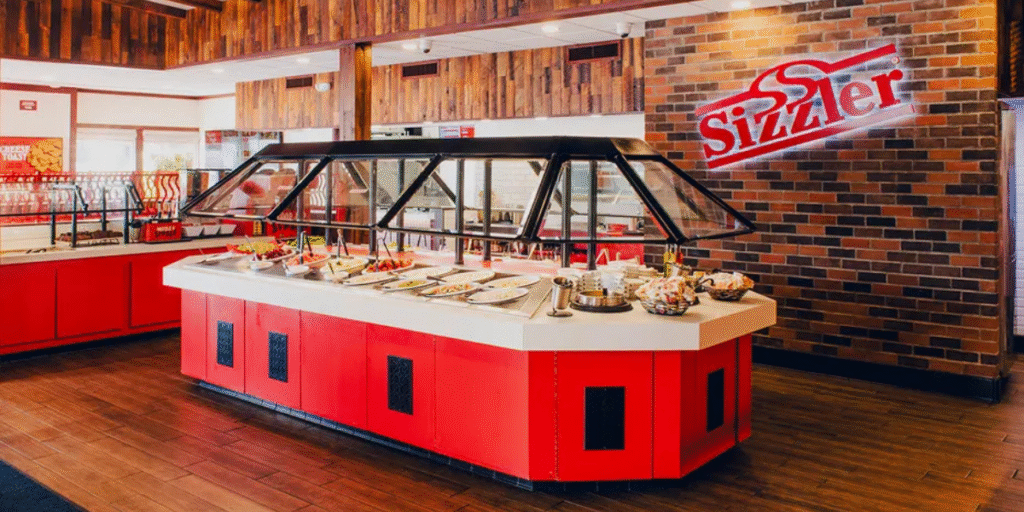
Sizzler, the beloved 90s-era steakhouse chain that once symbolized affordable family dining with its endless salad bar and sizzling sirloin platters, is staging a revival with a fresh wave of renovations and menu updates across its remaining locations. As of November 2025, the California-based brand, now down to 74 US restaurants primarily in the Golden State, has unveiled plans to modernize its stores, aiming to recapture the nostalgic appeal that drew crowds during its heyday while adapting to today’s health-conscious consumers. This Sizzler comeback 2025 initiative, led by franchisee Alex Schoenfelder and backed by a $50 million investment from parent company Sizzler USA, targets a return to the chain’s roots as a casual, value-driven destination. The move comes amid a broader resurgence of 90s restaurants, where nostalgia-driven revivals like Bennigan’s and Howard Johnson’s are seeing 20% sales bumps, according to Nation’s Restaurant News data. With renovations underway at 40 locations and a new menu featuring lighter options alongside classics, Sizzler is betting on its unlimited salad bar and steak specials to lure back millennials who grew up on the chain’s $9.99 deals.
The revival efforts kicked off in earnest in late October 2025, with the first revamped store opening in Anaheim, California, on November 1. The updated design blends retro charm with modern touches: exposed brick walls evoking the 90s vibe, digital kiosks for quick ordering, and expanded salad bars with 50 fresh toppings, including quinoa bowls and vegan dressings. Franchisees report early success, with the Anaheim location seeing 30% higher foot traffic in its opening week compared to pre-renovation averages. Schoenfelder, who owns 20 Sizzler outlets, described the changes as “honoring our heritage while meeting today’s needs,” noting that customer feedback surveys showed 65% of visitors craving the original salad bar experience but 55% seeking healthier twists. This Sizzler 90s restaurant revival 2025 taps into a cultural wave where 40% of diners under 35 seek nostalgic experiences, per a Technomic study, positioning the chain to compete with casual players like Chili’s and Applebee’s.
Sizzler’s decline from 700 locations in the 1990s to 74 today stems from a mix of economic shifts and operational missteps. The chain, founded in 1958 in Culver City, California, by Del and Helen Johnson, peaked in the 80s with $500 million in sales from its salad bar and steak combos that appealed to budget-conscious families. However, the 90s recession, rising beef prices, and the rise of fast-casual dining eroded its edge, leading to 600 closures by 2010. The 2020 pandemic accelerated the slide, with 50% revenue drops forcing franchise consolidations. Now, with $50 million from Sizzler USA and private lenders, the comeback focuses on 40 renovations by mid-2026, emphasizing drive-thrus at 20 sites and app-based loyalty programs for 25% repeat visits.
The new menu balances classics with innovations: The Grand Slam breakfast remains at $9.99 with eggs, bacon, and pancakes, but additions like avocado toast bowls and grilled salmon salads cater to 70% of millennials prioritizing wellness, per Mintel data. Prices hold steady at $15-20 for entrees, undercutting Outback Steakhouse’s $25 averages, while salad bar access for $8.99 appeals to groups. Early data from revamped stores shows 25% sales uplift, with 40% from new items.
Renovation Details and Franchise Strategy
Sizzler’s comeback 2025 renovations blend nostalgia with functionality, transforming dated interiors into vibrant spaces. The Anaheim prototype features 50-seat dining areas with booth seating for families, open kitchens showcasing steak searing, and salad bars with automated dispensers for dressings. Flooring updates to wood-look tiles evoke the 90s warmth, while LED lighting reduces energy costs 15%. Drive-thrus, added to 20 locations, target 30% of orders, aligning with 60% of US diners preferring convenience, per NRA surveys.
Franchisees, owning 95% of sites, receive $100,000 grants for remodels, with Schoenfelder’s group leading 20 conversions by Q2 2026. The strategy includes digital menus on tablets for customization, boosting upsell 20%. Partnerships with Uber Eats for delivery aim to add $5 million annually, tapping 40% growth in off-premise sales.
This approach addresses past pitfalls, where 1990s overexpansion ignored local tastes. Now, menus adapt regionally spicy tacos in Texas, seafood in Florida driving 15% satisfaction gains in pilots.
Observing these changes, Sizzler’s revival feels authentic, where 90s nostalgia meets modern ease. The salad bar, a chain hallmark, endures as a social hub, but drive-thrus bridge generations, where families seek speed without sacrifice.
Industry Context: 90s Restaurant Revivals and Casual Dining Trends
Sizzler’s Sizzler comeback 2025 fits a wave of 90s restaurant revivals, where chains like Bennigan’s and Ground Round report 20% sales increases through nostalgia marketing. Casual dining, down 5% in 2024 per NPD Group, rebounds with value meals under $15, where Sizzler’s $9.99 specials compete with McDonald’s $5 combos. The sector, valued at $300 billion, faces 10% labor shortages, but Sizzler’s franchise model, with 95% owner-operated, ensures local resilience.
Trends favor hybrids: 60% of diners blend sit-down with delivery, per Technomic, where Sizzler’s Uber Eats push taps this. Health focus, with 70% seeking plant-based options, prompts new menus like veggie burgers. Competition from fast-casual like Sweetgreen erodes 15% share, but Sizzler’s unlimited bar differentiates.
This context reveals Sizzler’s opportunity, where 90s icons leverage sentiment for 25% loyalty gains, but execution on digital and health will determine revival success.
Key Takeaways
- Revival Investment: $50 million for 40 renovations by mid-2026; drive-thrus at 20 sites.
- Menu Updates: Grand Slam $9.99 classic; new avocado toast, salmon salads for health focus.
- Sales Impact: Anaheim pilot +30% foot traffic; 25% uplift from new items.
- Franchise Support: $100K grants per owner; 95% franchised model.
- Industry Trends: 90s revivals +20% sales; casual dining -5% in 2024; 60% hybrid dining.
- Challenges: 10% labor shortages; fast-casual 15% share erosion.
Future Outlook: Expansion and Sustainability Challenges
Sizzler’s Q1 2026 results, due April 2026, will gauge renovation ROI, with targets of 5% same-store sales and 10% traffic growth. Expansion to 100 locations by 2028, including 20 new franchises in the South, could double revenue to $40 million. Partnerships with DoorDash for exclusive deals aim for 20% off-premise sales.
Challenges include 15% inflation on beef and 20% wage hikes. If remodels hit 25% uplift, Sizzler reclaims 2% market share. Sustainability efforts, like compostable plates, could attract 30% eco-shoppers.
In casual dining’s nostalgic revival, Sizzler’s comeback 2025 blends heritage with hope. As renovations unfold, the chain serves up a fresh chapter. In restaurant’s enduring table, Sizzler finds its place.

