
Market Reaction and Policy Shift
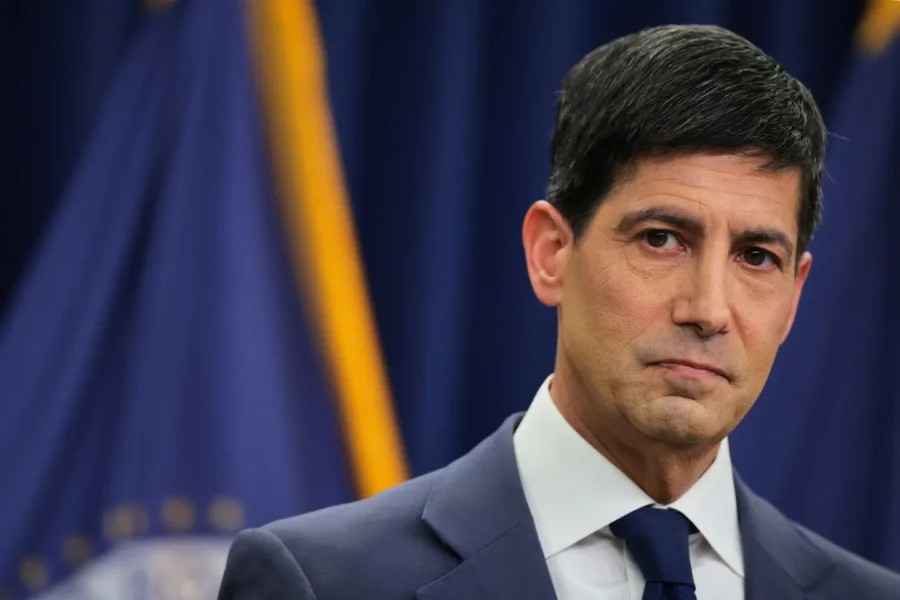
Kevin Warsh’s debut as Federal Reserve Chair on June 17, 2026, triggered the S&P 500’s worst “Fed day” under a new chair since 1994. The Dow Jones Industrial Average fell 500 points on Wednesday, surrendering gains that had accumulated before the Fed’s policy announcement. The sharp decline underscores market sensitivity to the Fed’s hawkish pivot, signaling a fundamental shift in how the central bank approaches both monetary policy and communication.
The Fed held rates steady at its June meeting but shifted to a notably more aggressive posture as inflation continues to hover above the central bank’s 2% target. The shift was most visible in the dot plot—the Fed’s quarterly summary of policymakers’ rate forecasts—which projected a 25 basis point rate hike by the end of 2026, a sharp reversal from prior expectations of at least two rate cuts.
Dot Plot Signals Rate Hike Risk
Nine of the 18 participating policymakers on the Federal Open Market Committee predict at least one rate hike by the end of 2026, according to the updated dot plot. This hawkish tilt reflects growing concern that price pressures remain sticky despite efforts to cool demand. The overall projection—swinging from cuts to hikes—caught many investors off guard and contributed to the sharp market selloff.
Warsh, a vocal critic of excessive Fed communication before his appointment, has signaled a preference for restraint in forward guidance. The post-meeting statement released after the June decision totaled just 130 words, a notably terse summary compared to prior Fed statements. This brevity reflects Warsh’s longstanding view that the Fed’s overly communicative stance can amplify market uncertainty and volatility.
Any mention of an easing bias was gone, signaling that Warsh, at least for now, is assuming a more hawkish stance.
For business leaders, the message is clear: the Fed is no longer signaling rate cuts. The combination of higher-for-longer rates and a more hawkish policy tone creates a different backdrop for capital allocation, refinancing decisions, and earnings forecasts. Markets are now pricing in the possibility that borrowing costs will remain elevated and could rise further if inflation pressures persist.

