
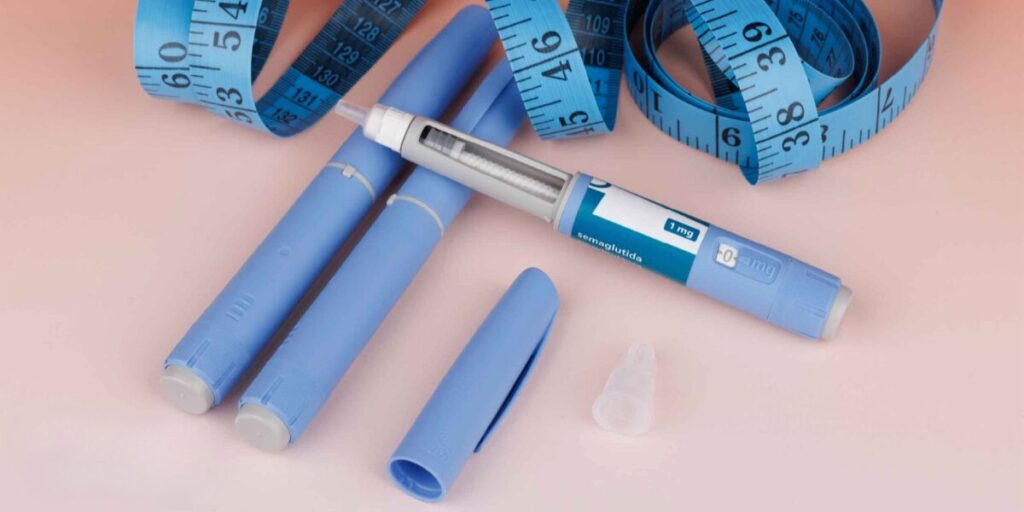
Medicare will cover obesity medications for the first time in its history starting Wednesday, when the GLP-1 Bridge demonstration program goes live, giving eligible beneficiaries access to drugs like Wegovy, Zepbound and Foundayo for a flat $50 monthly copay.
The program, run by the Centers for Medicare & Medicaid Services, ends a two-decade-old exclusion: Medicare Part D has explicitly barred coverage of weight-loss-only medications since 2003, even as GLP-1 drugs transformed obesity treatment over the past several years. The Bridge demonstration runs through December 31, 2027, after which a successor program, the Better Approaches to Lifestyle and Nutrition for Comprehensive hEalth Model, is expected to take over.
Who qualifies, and who doesn’t
Eligibility is broad but not universal. Beneficiaries already receiving GLP-1 coverage through their Part D plan for an already-approved use — Type 2 diabetes, cardiovascular risk reduction or sleep apnea — are excluded from the new program, since they already have access through existing channels. Enrollees must be in a standalone prescription drug plan or a Medicare Advantage plan that includes drug coverage.
A quiet rollout, by design
Despite the scale of the shift, advertising has been minimal: no linear television campaigns from CMS, Novo Nordisk or Eli Lilly, with awareness instead built through targeted social promotion and outreach to providers and pharmacies. Industry executives suggest the low-key approach reflects a deliberate sequencing decision — ensuring pharmacy and provider workflows are ready before driving broad consumer demand that systems may not be able to absorb on day one.
The numbers at stake
The Congressional Budget Office has previously estimated that 12.5 million Medicare enrollees would qualify if the program were broadly authorized, though it expected only around 300,000 to actually begin treatment in the first year, rising to 1.6 million by 2034. Full-scale coverage was projected to cost the federal government roughly $35 billion between 2026 and 2034. For Novo Nordisk and Eli Lilly, the program opens a large new patient population among Americans 65 and older — Novo’s own research found 75 percent of seniors prefer a daily pill over a weekly injection, a preference that favors both companies’ oral formulations as the program scales.
What healthcare leaders should watch
Health system executives should monitor early utilization data closely: if the Bridge program demonstrates measurable health improvements and downstream cost savings, it strengthens the policy case for permanent obesity-drug coverage across Medicare — a structural shift that would reshape formulary strategy, prior-authorization workloads and pharmacy benefit economics well beyond 2027.

