
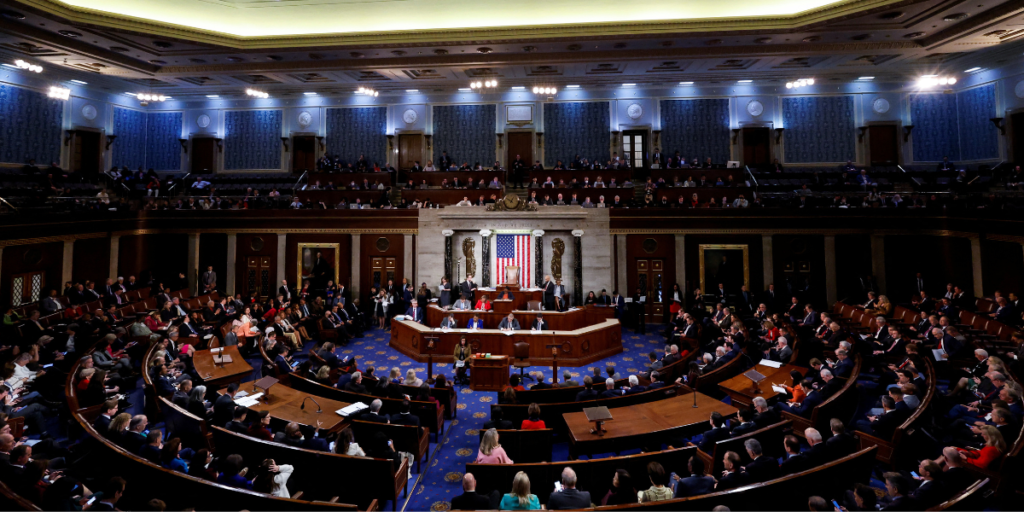
The United States Congress recently passed a piece of legislation that has created ripples throughout the political landscape – the Laken Riley Act. This new act, named after a prominent figure in law reform, is being hailed as one of the most significant steps forward in modernizing legal protections in the country. As the act takes effect, it’s important to understand what it entails, its potential impact on the American legal system, and why it’s considered a game-changer.
What is the Laken Riley Act?
The Laken Riley Act is a comprehensive piece of legislation designed to reform and improve aspects of the judicial and law enforcement systems. Specifically, it focuses on addressing issues related to sentencing reform, the treatment of juveniles in the justice system, and strengthening victims’ rights. The legislation also emphasizes greater transparency and accountability, particularly within the framework of law enforcement practices, marking a shift toward more progressive and humane policies.
The Laken Riley Act aims to reshape the criminal justice system by ensuring that punishments fit the crime, offering more rehabilitative opportunities for those in prison, and focusing on restorative justice practices. One of the act’s most notable provisions is its push for alternatives to incarceration for non-violent offenders, such as community service programs, rehabilitation, and mental health counseling.
The Motivation Behind the Act
The origins of the Laken Riley Act lie in growing concerns over the nation’s criminal justice system and its disproportionate impact on marginalized communities. For years, advocacy groups, legal experts, and political figures have been pushing for changes to address systemic inequality. The act is seen as a direct response to widespread calls for criminal justice reform, particularly in light of high-profile cases involving police brutality and racial discrimination in the justice system.
While many have been advocating for more progressive policies, the bill received mixed reactions. Proponents argue that the Laken Riley Act is necessary to end mass incarceration and rebuild trust between the public and law enforcement. Critics, however, fear that it could lead to unintended consequences, such as an increase in crime or a weakening of law enforcement’s ability to effectively protect communities.
Key Provisions of the Laken Riley Act
- Sentencing Reform
The Laken Riley Act introduces significant reforms to the sentencing structure, with the goal of reducing the number of people incarcerated for non-violent offenses. The act introduces provisions that allow judges more discretion in sentencing, particularly in cases involving drug-related crimes, mental health issues, and low-level offenses. - Juvenile Justice Reforms
Juvenile justice is another area targeted by the Laken Riley Act. By placing a stronger emphasis on rehabilitation over punishment, the law ensures that young offenders are provided with opportunities for education, mental health support, and vocational training rather than simply facing prison sentences. - Victims’ Rights
Victim advocacy is a central focus of the act. Provisions include ensuring that victims of crime are given the resources they need to recover and participate in the judicial process. It also strengthens the victim’s ability to influence parole decisions and sentencing hearings. - Law Enforcement Accountability
The Laken Riley Act demands more transparency from law enforcement agencies, particularly regarding the use of body cameras, civilian oversight, and addressing police misconduct. These measures are designed to build public trust and ensure that law enforcement practices align with constitutional rights. - Restorative Justice Initiatives
A key feature of the act is its push for restorative justice, focusing on repairing the harm done by crime rather than just punishing the offender. It provides mechanisms for offenders to make amends, such as through community service and restorative programs, instead of simply serving time behind bars.
Key Takeaways
- The Laken Riley Act seeks to create a more rehabilitative and restorative justice system by reforming sentencing laws, offering alternatives to incarceration, and enhancing victims’ rights.
- Key provisions include juvenile justice reforms, stronger law enforcement accountability, and expanded access to rehabilitation programs for offenders.
- While many hail the act as a step forward in criminal justice reform, critics raise concerns over its potential impacts on crime rates and public safety.
What the Future Holds
The future of the Laken Riley Act remains uncertain, as it faces the challenge of being fully implemented across various states. Supporters of the legislation believe that it could pave the way for more widespread reforms, ultimately making the criminal justice system fairer and more effective. However, for the act to succeed, there must be continued collaboration between lawmakers, law enforcement agencies, and advocacy groups.
There is also the concern about how the implementation of such reforms will be funded and whether enough resources will be allocated to support the new systems. Additionally, there are questions regarding public reception and the long-term effectiveness of the act’s provisions, particularly concerning public safety and crime reduction.
Overall, the Laken Riley Act represents a significant shift toward a more just and compassionate criminal justice system. While it will undoubtedly take time to measure its full impact, it is a promising first step in addressing some of the most pressing issues facing the American legal landscape today.
As the nation moves forward with the Laken Riley Act, all eyes will be on how its provisions are enforced and whether it will serve as a model for future reforms in other areas of law.
Conclusion
The Laken Riley Act is a bold and transformative piece of legislation aimed at addressing key issues in the criminal justice system. With a focus on rehabilitation, victims’ rights, and law enforcement transparency, it is hoped that the act will lead to a fairer and more effective legal system. Whether it will be successful in achieving these goals remains to be seen, but the act’s passage marks a crucial step in the ongoing efforts for reform in the United States.
By focusing on rehabilitation over punishment, and promoting restorative justice, the Laken Riley Act is shaping up to become a crucial turning point in American legal history.

