
Sweeping Changes to Student Loans and Pell Grants Spark Debate
The recently passed “One Big Beautiful Bill Act,” championed by President Donald Trump, has sent shockwaves through the higher education landscape, introducing significant changes to federal student loans, Pell Grants, and institutional accountability. Dubbed the “new students bill” by advocates and critics alike, this legislation aims to overhaul how students finance their education but has ignited fierce debate over its long-term impact. As a journalist covering education policy, I’ve witnessed the growing tension between reform advocates and those who fear the bill will make college less accessible for millions. Below, I unpack the key provisions, public reactions, and what this means for America’s students.
A Controversial Overhaul Unveiled
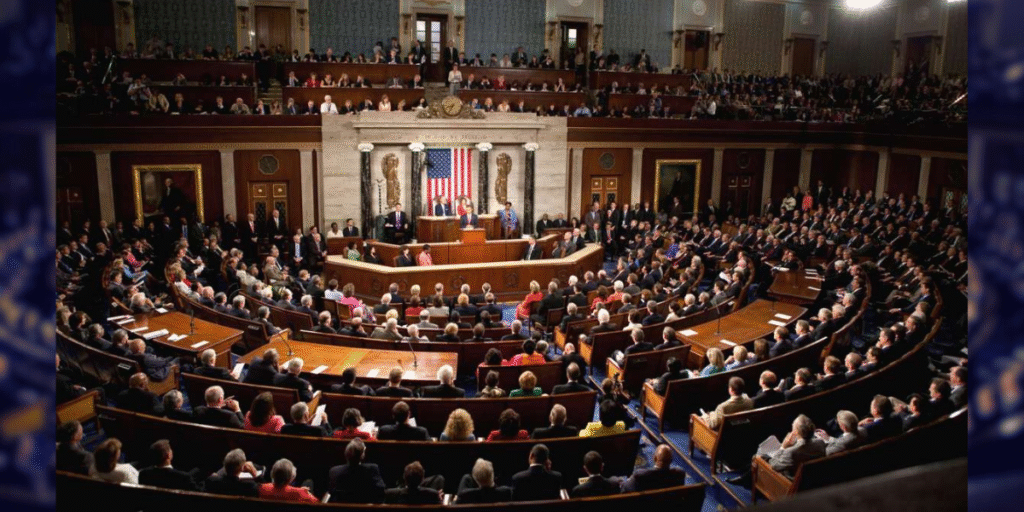
Introduced in May 2025 and passed by a narrow margin in Congress, the new students bill—formally part of Trump’s sweeping budget legislation—targets the federal student aid system. According to sources, the bill introduces a new income-based repayment plan, imposes lifetime borrowing caps based on program costs, and tightens Pell Grant eligibility. It also repeals regulations like the gainful employment rule, which required colleges to prove their programs lead to well-paying jobs. The Senate is set to review the bill’s 1,000-plus pages in the coming weeks, with potential amendments looming.
The bill’s proponents, including Speaker of the House Mike Johnson, argue it promotes fiscal responsibility and protects taxpayers. “This is about ensuring education delivers value,” Johnson said on May 22, 2025, at the Capitol. However, critics, including student advocates and educators, warn it could exacerbate inequality, particularly for low-income and first-generation students. Posts on X reflect this divide, with one user stating, “This bill cuts Pell Grants while tuition keeps rising—how is that fair?” Another countered, “Finally, a bill that holds colleges accountable for skyrocketing costs.”
Key Provisions and Their Implications
The new students bill introduces several changes that could reshape higher education:
- Income-Based Repayment Overhaul: The bill replaces existing repayment plans with a single income-based option. Borrowers will pay a percentage of their income, but the plan eliminates forgiveness after a set period, meaning some could repay loans indefinitely.
- Borrowing Caps: A lifetime cap on federal loans, tied to the median cost of a student’s program, aims to curb borrowing. However, this doesn’t account for regional cost-of-living differences or the high costs of professional degrees like medicine or law.
- Pell Grant Restrictions: Eligibility for Pell Grants, which provide need-based aid to low-income students, will face stricter income thresholds, potentially excluding middle-class families.
- Regulatory Rollbacks: The repeal of the gainful employment rule removes oversight on for-profit colleges, raising concerns about predatory programs that leave students with unmanageable debt.
As someone who has covered education for years, I find these changes troubling. The borrowing caps, for instance, seem reasonable on paper but ignore the reality of pursuing high-cost degrees essential for careers in fields like healthcare. Growing up in a working-class family, I saw how Pell Grants made college possible for friends who otherwise couldn’t afford it. Tightening eligibility feels like pulling the ladder up after some have climbed it, leaving others stranded.
Key Takeaways
- Major Reforms: The new students bill overhauls federal student loans with a single income-based repayment plan and lifetime borrowing caps.
- Pell Grant Cuts: Stricter eligibility rules could exclude thousands of low- and middle-income students from need-based aid.
- Regulatory Gaps: Repealing rules like gainful employment may weaken protections against predatory colleges.
- Public Divide: Students and educators are split, with some praising fiscal accountability and others decrying reduced access.
- Economic Impact: Higher borrowing costs and private lender reliance could burden graduates for decades.
Public Reaction and Student Protests
The bill has sparked significant backlash, particularly among students. In Ohio, graduating senior Alex McAlpine organized a campaign that delivered over 400 letters to Governor Mike DeWine, urging him to oppose the bill’s education cuts. “This isn’t just about loans; it’s about our future,” McAlpine told NPR. His efforts, joined by students across political spectrums, highlight a growing activism among the Class of 2025, who face an uncertain post-graduation landscape.
On X, students have voiced frustration, with one post reading, “Trump’s ‘big beautiful bill’ is a disaster for anyone who isn’t rich. College is already unaffordable.” Others, however, support the bill’s intent, with a user commenting, “Why should taxpayers fund degrees that don’t pay off? This bill makes sense.” This polarization reflects the broader national debate over the role of higher education in an increasingly expensive system.
My conversations with students at local universities reveal a mix of fear and resilience. One sophomore I spoke with, studying nursing, worried that borrowing caps would force her to take out private loans with higher interest rates. “I want to help people, but this bill might price me out of my dream,” she said. Her story resonates with me, as I recall the stress of navigating financial aid as a student. The shift toward private lenders, which often offer fewer protections, feels like a step backward.
The Broader Context: A Threat to Higher Education?
Critics, including education scholars Astra Taylor and Eleni Schirmer, argue the bill aligns with a broader agenda to reshape higher education. They point to the influence of the Heritage Foundation’s Project 2025, which advocates slashing student aid and reorienting universities toward conservative priorities. Lindsey Burke, a key Project 2025 author and now a deputy chief of staff at the Education Department, has pushed for reduced federal involvement in education.
This agenda, critics warn, could “cement higher education as an elite institution,” accessible only to the wealthy. On June 25, 2025, student debtors and allies protested in Washington, D.C., demanding protections for loan forgiveness and Pell Grants. As a journalist, I see their point: education has long been a pathway to mobility, but this bill risks turning it into a privilege for the few. Yet, supporters argue it forces colleges to lower tuition and prioritize job-relevant programs, a perspective I understand but find overly simplistic given the complexities of the education market.
Looking Forward: Challenges and Opportunities
The new students bill is now under Senate scrutiny, with potential revisions that could soften its impact. However, the Supreme Court’s recent decision to resume a case on Biden-era loan forgiveness adds another layer of uncertainty. If the Court rules against forgiveness, students could face even greater financial strain.
For now, students and families must navigate a shifting landscape. The bill’s emphasis on accountability is commendable, but its execution feels heavy-handed. Personally, I believe higher education needs reform—tuition costs are unsustainable—but cutting aid without addressing root causes like administrative bloat or state funding cuts misses the mark. Universities must innovate, perhaps by expanding online programs or public-private partnerships, but students shouldn’t bear the brunt of systemic failures.
The new students bill of 2025, part of Trump’s “One Big Beautiful Bill Act,” promises to reshape how Americans access and pay for higher education. While its goals of fiscal responsibility resonate with some, the potential to exclude millions from college looms large. As a journalist and former student, I’m concerned about the long-term effects on opportunity and equity. For updates, follow developments on the Senate’s review or check the Department of Education’s website. The Class of 2025 and beyond deserves a system that supports their ambitions, not one that prices them out.

