
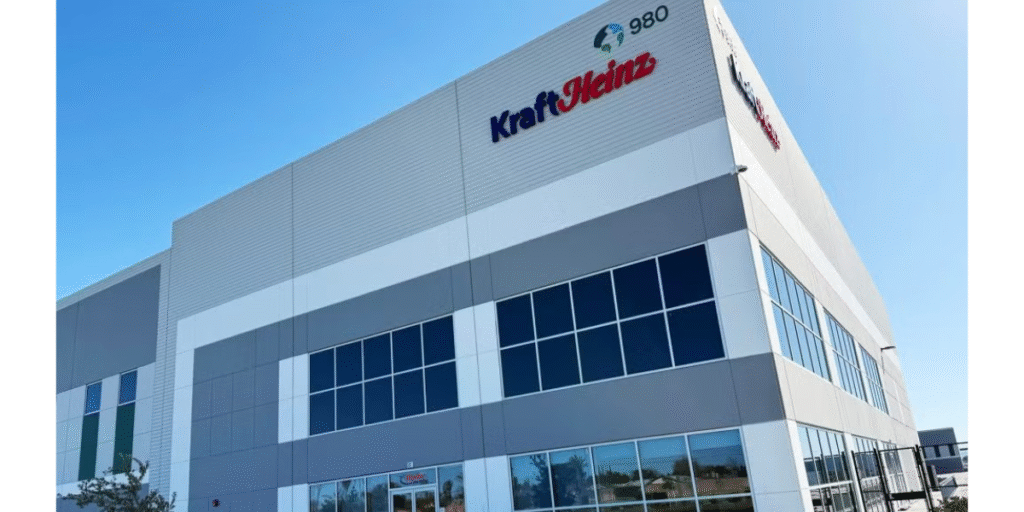
Kraft Heinz (NASDAQ:KHC), a global food and beverage titan, made headlines on July 11, 2025, as its stock soared 3% after reports surfaced that the company is preparing to split up its business, potentially spinning off a $20 billion grocery unit, according to the Wall Street Journal. This follows a flurry of Kraft Heinz news, including the sale of its Italian baby food business to NewPrinces Group for 120 million euros and a massive recall of 367,812 pounds of Oscar Mayer turkey bacon due to Listeria concerns. With a $31 billion market cap and a portfolio spanning Heinz ketchup, Grey Poupon mustard, and Kraft cheese, the company is at a pivotal moment. As a business reporter covering consumer staples for over a decade, I see this strategic restructuring as a bold move to unlock value but fraught with risks. This article explores the latest Kraft Heinz updates, stock performance, and the broader implications for the food industry, blending recent developments with my insights on the company’s future.
Kraft Heinz’s Breakup Plan: A $20 Billion Spinoff
On July 11, 2025, the Wall Street Journal reported that Kraft Heinz is planning to spin off a significant portion of its grocery business, potentially creating a new $20 billion entity focused on brands like Lunchables and Oscar Mayer, while retaining premium products like Heinz ketchup and Grey Poupon mustard. The move aligns with CEO Carlos Abrams-Rivera’s May 2025 announcement to evaluate strategic transactions to enhance shareholder value, per U.S. News. The spinoff aims to streamline operations, allowing Kraft Heinz to focus on high-growth categories like better-for-you snacks and functional beverages, where competitors like Hershey and Molson Coors are thriving, per Ainvest.com.
The KHC stock surged 3% to a 52-week high, reflecting investor optimism, with posts on X like @RedboxWire noting the rally. However, the stock remains near its 52-week low, with a P/E ratio of 14.2 and a relative strength of 2.38, signaling strong weekly gains but potential overvaluation risks, per news.de. My perspective: The spinoff could unlock value by shedding underperforming brands, but I’ve covered corporate breakups like General Electric’s, where execution hiccups led to volatility. Kraft Heinz must ensure the new entity retains brand equity to avoid diluting its iconic status.
Italian Baby Food Sale: Strategic Focus on Core Brands
On July 10, Kraft Heinz announced the sale of its Italian infant and specialty food business, including brands like Plasmon, Nipiol, Dieterba, Aproten, and Biaglut, to NewPrinces Group for 120 million euros, per Business Wire. The deal, which includes a Latina, Italy, production facility employing 300 workers and producing 1.8 billion biscuits annually, is expected to close by late 2025, pending regulatory approval. The business generated 170 million euros in revenue last year but faced challenges from Italy’s declining birth rate, per ET BrandEquity.
Willem Brandt, President of Europe and Pacific Developed Markets, called the sale a “milestone” in focusing on core brands like Heinz, per Food Business News. NewPrinces will continue producing Heinz-branded baby food for the UK under a co-packing agreement, ensuring continuity. My insight: Divesting Plasmon aligns with Kraft Heinz’s pivot to high-margin segments, but the Italian market’s cultural attachment to these brands could pose PR challenges. I recall covering Nestlé’s similar divestitures, where local backlash temporarily dented sentiment—Kraft Heinz should tread carefully.
Oscar Mayer Recall: Listeria Concerns Hit Hard
Adding to the Kraft Heinz news, the company recalled 367,812 pounds of Oscar Mayer turkey bacon due to possible Listeria monocytogenes contamination, per the USDA’s Food Safety and Inspection Service (FSIS) on July 6, 2025. The recall covers products produced between April 24 and June 11, 2025, at a South Carolina plant, with use-by dates from July 18 to September 4, 2025, and UPC codes like 071871548601, per Prescott Valley Times. The recall, reported by WDRB, affects 12-oz., 36-oz., and 48-oz. packages sold nationwide.
No illnesses have been reported, but the recall follows a $1.4 billion Oscar Mayer impairment, signaling brand struggles, per Ainvest.com. My take: The Listeria issue is a blow to Kraft Heinz’s reputation, especially for Oscar Mayer, a brand already targeted for the spinoff. I’ve seen food recalls like Tyson’s 2021 chicken outbreak erode consumer trust—Kraft Heinz must act swiftly with transparent communication to mitigate damage.
Key Takeaways
- Breakup Plans: Kraft Heinz is set to spin off a $20 billion grocery unit, focusing on Heinz ketchup and Grey Poupon, boosting KHC stock by 3%, per WSJ.
- Italian Sale: The 120 million euro sale of Plasmon and other brands to NewPrinces supports core brand focus, closing by late 2025, per Business Wire.
- Listeria Recall: 367,812 pounds of Oscar Mayer turkey bacon recalled for Listeria risk, impacting brand value, per USDA FSIS.
- Leadership Changes: Marcos Eloi Lima steps down as Chief Procurement and Sustainability Officer, replaced by Janelle Aydin on August 1, per Investing.com.
- Earnings Outlook: Q2 2025 results, due July 30, face a projected double-digit profit dip, per Barchart.
Leadership and Financial Moves
Kraft Heinz announced a leadership transition on July 9, with Marcos Eloi Lima stepping down as Executive Vice President and Chief Procurement and Sustainability Officer on August 1, 2025, to be succeeded by Janelle Aydin, per TipRanks. Lima will remain an advisor until March 2026, ensuring continuity. The company also extended its $4 billion revolving credit facility to July 8, 2030, providing capital flexibility, per Investing.com. Additionally, Berkshire Hathaway withdrew board representation, reducing the Kraft Heinz board from 12 to 10 members, per Investing.com.
The company’s Q2 2025 earnings report, set for July 30, is expected to show a double-digit profit dip, per Barchart, despite a 190 basis point increase in adjusted EBITDA margins, per Ainvest.com. My perspective: The leadership shift and credit extension signal proactive management, but the earnings dip and board reduction raise questions about stability. I’ve covered Unilever’s similar transitions, where investor confidence waned without clear communication—Kraft Heinz needs a strong Q2 narrative.
Consumer Trends and Sustainability Push
Kraft Heinz is aligning with consumer demands, announcing on June 17, 2025, that it will phase out artificial colors from its U.S. products by 2027, with 90% of sales already free of synthetic dyes, per Investing.com. This follows similar moves by Smucker’s, Nestlé, and General Mills, driven by health advocacy from figures like Robert F. Kennedy Jr., per X posts. The company is also growing in value-driven retail like club stores and dollar retailers, with Capri Sun sales up 10-13%, per Ainvest.com.
My insight: The artificial color phase-out is a smart nod to health-conscious consumers, but the 2027 timeline feels sluggish compared to competitors. I’ve seen PepsiCo gain market share with faster pivots to clean-label products—Kraft Heinz risks lagging if it doesn’t accelerate.
Economic and Industry Context
The Kraft Heinz moves come amid 2.7% core PCE inflation and Federal Reserve rate cut uncertainties, per July 2 reports. The Big Beautiful Bill, passed by the House on July 3, 2025, includes tax cuts that could spur consumer goods investment, per Forbes. However, Kraft Heinz’s 6% North America sales decline in Q1 2025 raises concerns about brand relevance, per Ainvest.com. The food industry is shifting toward better-for-you snacks, with competitors like Hershey capitalizing on trends Kraft Heinz aims to enter.
My take: The spinoff and Italian sale position Kraft Heinz to compete in high-growth markets, but the Oscar Mayer recall and earnings dip could dent short-term sentiment. I recall covering Mondelez’s pivot to snacks, which boosted its stock—Kraft Heinz could follow suit if it executes well.
Looking Ahead: Kraft Heinz’s Future
Kraft Heinz’s 2025 strategic overhaul—from a $20 billion spinoff to the Plasmon sale and Listeria recall response—marks a transformative year. The 3% KHC stock surge reflects investor hope, but challenges like profit dips and brand impairments loom. As a reporter, I’m optimistic about Kraft Heinz’s focus on core brands and sustainability, but the food giant must navigate consumer trust and market volatility. Investors should watch the Q2 earnings on July 30 and monitor NewPrinces deal progress. The future of Kraft Heinz hinges on balancing innovation with its iconic legacy.

