
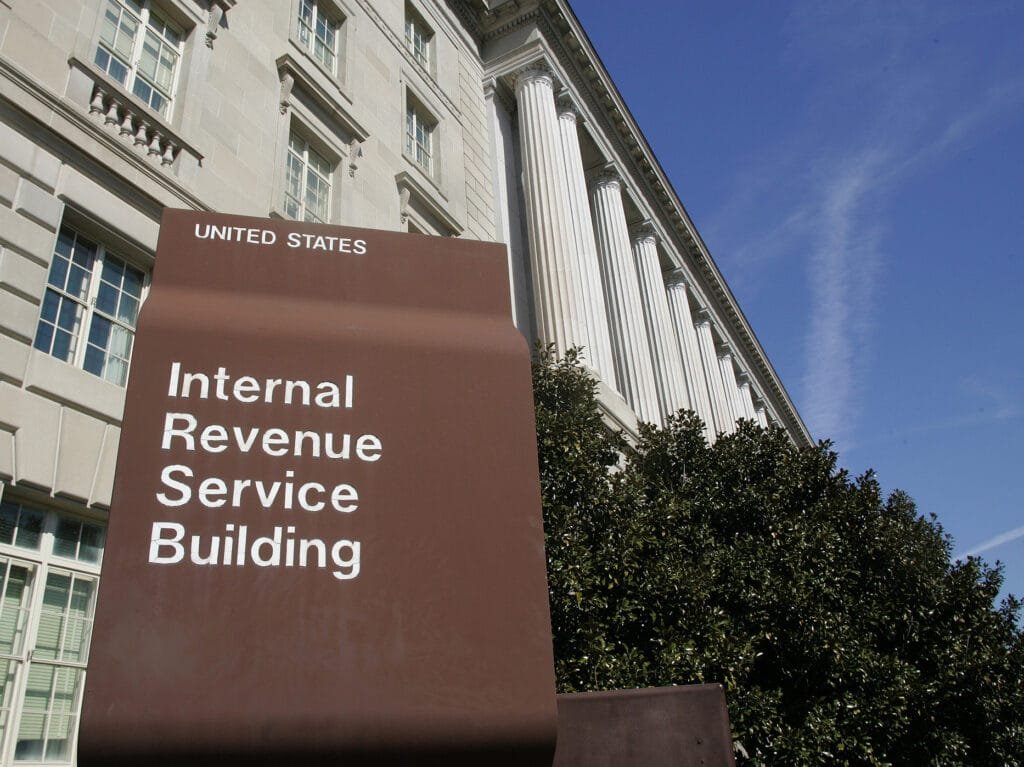
As 2025 begins, discussions surrounding IRS stimulus checks have resurfaced amid ongoing economic challenges. The rising cost of living, coupled with uncertainty in global markets, has renewed interest in financial relief options for American households. Here’s an overview of the latest developments and their potential impact on taxpayers.
New Updates for 2025
The IRS has yet to announce a new federal stimulus package, but existing provisions and state-level initiatives continue to offer some relief. States like California and New York are introducing targeted tax rebates, while federal discussions on inflation-adjusted relief measures remain ongoing.
For taxpayers who may have missed out on previous payments, the IRS emphasizes the importance of claiming unreceived stimulus checks through the Recovery Rebate Credit when filing 2024 tax returns. This credit ensures eligible individuals can receive any outstanding relief from prior years.
Who’s Eligible?
Eligibility for stimulus checks remains based on adjusted gross income (AGI), filing status, and dependent qualifications. Generally, lower- and middle-income taxpayers stand to benefit the most. As thresholds may change, taxpayers should keep an eye on IRS updates for the latest criteria.
Economic and Social Implications
Stimulus checks have historically boosted consumer spending, providing short-term economic relief. However, some experts caution that further cash injections could exacerbate inflationary pressures, already a concern in the current economic landscape. Balancing immediate assistance with long-term fiscal responsibility remains a challenge for policymakers.
Insights on IRS Strategy
The renewed focus on stimulus checks highlights the continued struggle of many American families to keep up with inflation. While these payments offer temporary relief, addressing the root causes of financial instability—such as affordable housing, healthcare, and wage growth—remains critical.
What’s Next?
Taxpayers are advised to monitor both federal announcements and state-level programs for the latest updates. Consulting a tax professional can ensure that eligible individuals claim all available benefits, including any rebates or credits they may have overlooked.
As 2025 unfolds, the role of stimulus checks in shaping economic resilience will remain a focal point for households and policymakers alike.

