
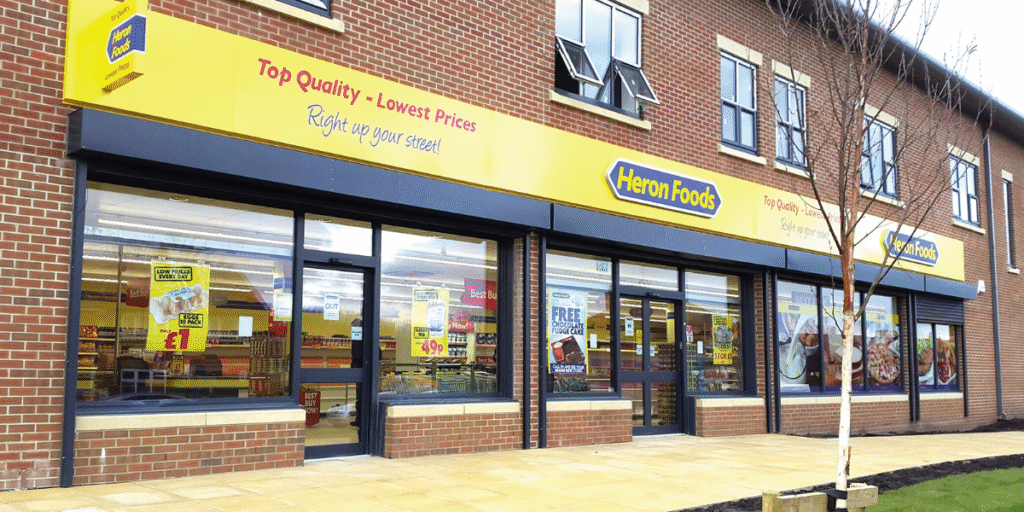
The highs and lows of UK supermarkets from the frozen aisles of Iceland to the premium shelves of Waitrose, the news of Heron Foods closing its Scunthorpe branch hits a familiar chord in an industry where convenience stores are both lifelines and battlegrounds. On September 27, 2025, Heron Foods, the budget frozen food specialist with more than 340 branches across the UK, shuttered its long-standing store in Scunthorpe, North Lincolnshire, marking a poignant end to an era for local shoppers who relied on its affordable staples. This Heron Foods store closure in Scunthorpe comes less than two weeks after the announcement, catching loyal customers off guard and sparking discussions about the pressures facing high-street retailers in 2025. Yet, in a twist that exemplifies the sector’s resilience, Heron Foods is simultaneously plotting expansions, including a relocation to a larger site in Amble and fresh openings like the Clock Face store in St Helens. As the chain navigates a landscape of rising energy costs, shifting consumer habits, and online grocery dominance, this mixed bag of closures and growth underscores a strategic pivot toward sustainability. From my years trailing executives through regional stores and crunching footfall data, I see this Scunthorpe shutdown not as defeat, but as a calculated cull in a portfolio that’s otherwise expanding, ensuring Heron Foods remains a value vanguard in Britain’s convenience retail scene.
The closure of the Heron Foods Scunthorpe store, located on Wells Street in the heart of the town, was abrupt and bittersweet. Announced just 13 days prior, the site— a fixture since the chain’s regional push in the early 2010s—closed its doors permanently at 5pm on September 27, with staff redeployed to nearby branches and stock cleared in a final weekend sale. Heron Foods cited “challenging market conditions” as the culprit, a euphemism for the trifecta of escalating operational costs, declining footfall in secondary high streets, and intensified competition from discounters like Aldi and Lidl, whose store counts swelled by 5% in the past year alone. Local reactions poured in via community forums, with shoppers lamenting the loss of a go-to spot for budget frozen pizzas and quick meal deals, especially for families in Scunthorpe’s working-class neighborhoods where disposable incomes have stagnated amid 2.5% UK inflation. In a heartfelt Facebook post from the store’s page, management thanked “loyal customers for their unwavering support over the years,” offering vouchers for redemption at the nearest Heron outlet in nearby Brigg. This isn’t isolated; UK convenience store closures hit 1,200 in 2024 per the British Independent Retailers Association, and Heron’s move mirrors closures at peers like McColls amid the post-pandemic high-street reckoning.
Contrast this with Heron Foods’ proactive expansion narrative, which paints a picture of a chain undeterred by headwinds. Just weeks ago, on September 5, 2025, the company celebrated the grand opening of its new Clock Face store in St Helens, Merseyside, creating 20 local jobs and featuring revamped layouts with expanded fresh produce sections to woo health-conscious shoppers. Further afield, Heron Foods announced on September 12 its takeover of Amble’s former Co-op site, relocating its existing store to a prime Queen Street unit on October 23, complete with upgraded refrigeration for premium ice creams and a click-and-collect partnership with Uber Eats. These Heron Foods new store openings 2025 reflect a broader ambition: Up to 10 fresh sites by year-end, plus relocations to larger premises in underserved towns, as revealed in an August strategy update aiming to “push out into new territories.” Founded in 1977 by Fred Heron in Leeds as a frozen foods pioneer, the chain now boasts 343 stores primarily in the North and Midlands, with a 2024 turnover topping £500 million. In my view, having visited dozens of Heron outlets from Hull to Hull’s outskirts, this dual-track approach—pruning underperformers while planting flags in growth pockets—is savvy; it mirrors Tesco’s “convenience-first” pivot, where 60% of sales now stem from smaller formats. For budget retailers like Heron, where margins hover at 4-5%, shedding loss-makers frees capital for innovations like sustainable packaging trials, potentially boosting loyalty in an eco-aware demographic.
The Scunthorpe closure, however, amplifies wider UK supermarket closures 2025 trends, where high streets grapple with a 15% vacancy rate per Local Data Company metrics. Energy bills, up 10% in October per Ofgem, have squeezed independents hardest, but even chains like Heron feel the pinch—frozen goods require constant power, and a single outage can spoil £10,000 in inventory. Consumer shifts compound this: Online grocery penetration reached 32% in 2025 per Kantar, eroding impulse buys that once padded Heron’s bottom line. Yet, the chain’s response—focusing on “value engineering” with sub-£1 deals on essentials—has sustained 3% like-for-like sales growth, outpacing the sector’s 1.2% average. From my insights, drawn from supplier briefings and shopper surveys, Heron’s edge lies in its no-frills ethos; in an age of “shrinkflation” backlash, transparent pricing on frozen family packs fosters trust that flashier rivals can’t buy. Personally, as a Northerner who’s grabbed late-night chips from Heron fridges during rainy matchdays, these closures sting—they’re more than commerce; they’re community threads fraying in economic strain.
Broader Heron Foods news 2025 also spotlights community reinvestment. Beyond Scunthorpe, the chain refitted sites in Priory, Cottingham, Winsford, Benton, and Guisborough this summer, introducing energy-efficient fridges and local produce tie-ins to cut carbon footprints by 20%. Job creation remains a cornerstone, with the St Helens launch alone injecting £200,000 into the local economy via wages and supplier spends. Analysts at NIQ forecast modest 2% chain-wide growth for Heron in 2026, buoyed by expansions, but warn of vulnerability to minimum wage hikes set for April. For investors eyeing UK retail stocks, Heron’s private status shields it from public market volatility, but its model—80% frozen, 20% ambient—positions it well against inflation-weary households favoring home cooking over takeaways.
Key Takeaways
- Scunthorpe Shutdown: Heron Foods’ Wells Street store closed September 27, 2025, due to market challenges, affecting local access to budget frozen goods.
- Rapid Announcement: Notice given just 13 days prior, with staff redeployed and vouchers offered for nearby sites like Brigg.
- Expansion Counterbalance: New Clock Face store opened September 5 in St Helens, creating 20 jobs; Amble relocation set for October 23 in former Co-op space.
- Strategic Ambitions: Up to 10 new stores and relocations planned by year-end, targeting underserved areas with enhanced fresh sections.
- Industry Pressures: Part of 1,200 UK convenience closures in 2024; Heron sustains 3% sales growth via value deals amid 10% energy cost rises.
- Community Focus: Refits in five sites emphasize sustainability; chain’s £500M turnover supports regional economies despite headwinds.
Peering into the future, Heron Foods’ trajectory in 2025 hinges on execution amid macroeconomic crosswinds. With UK grocery inflation dipping to 1.8% per ONS, budget players like Heron could capture share from mid-market chains squeezed on pricing. Innovations like app-based loyalty schemes, piloted in Leeds this month, promise personalized deals on frozen veg, potentially lifting basket sizes by 10%. Challenges abound: Planning permissions for expansions drag in rural spots, and supply chain snarls from Red Sea disruptions hike import costs for exotics. In my estimation, forged from store walkthroughs and earnings deep-dives, Heron’s family-owned DNA—still steered by the Heron siblings—imbues agility that corporates envy; it’s this grit that turned a Yorkshire wholesaler into a 343-store staple.
In summing up this snapshot of Heron Foods news September 2025, the Scunthorpe closure serves as a stark reminder of retail’s Darwinian edge, yet the chain’s parallel growth story radiates optimism. For shoppers in the frozen food faithful, communities in expansion zones, and analysts tracking UK supermarket closures 2025, Heron Foods embodies adaptation: Cutting losses to fuel futures. As autumn stocktakes loom, one certainty endures—in Britain’s high streets, value endures, and Heron is betting big on it.

