
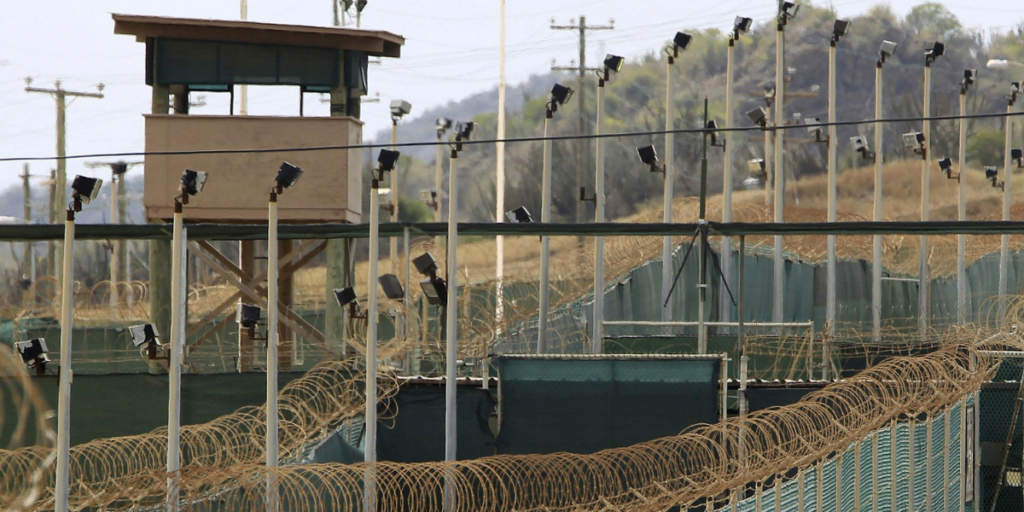
The detention facility at Guantanamo Bay, Cuba, has long been a symbol of controversy, human rights debates, and global tension. With its existence spanning two decades, it remains one of the most talked-about aspects of the U.S. War on Terror. As the world witnesses a shift in geopolitical dynamics and legal frameworks, the future of Guantanamo Bay continues to spark intense discussions among lawmakers, human rights organizations, and the international community.
What is Guantanamo Bay?
Guantanamo Bay, located on the southeastern coast of Cuba, is home to the U.S. Naval Base and the infamous detention camp. The U.S. government began detaining suspected terrorists at the facility in 2002 following the September 11 attacks. Guantanamo Bay’s notoriety stems from its use as a detention center for individuals accused of terrorism and suspected links to Al-Qaeda and the Taliban. The detainees have been held without trial, and many have been subject to interrogation tactics that critics argue violate international human rights laws.
The detention facility became a flashpoint for global discussions surrounding the treatment of prisoners, due process, and the broader implications of America’s military and legal policies in the post-9/11 world.
The Controversy Surrounding Guantanamo Bay
From the very beginning, Guantanamo Bay has been controversial. Reports of torture, indefinite detention, and legal limbo have marred its reputation. While the U.S. government has claimed that the facility is necessary for national security, numerous human rights groups have argued that it undermines the values of justice, due process, and international law.
One of the most pressing issues surrounding Guantanamo Bay has been the prolonged detention of individuals without charges or trials. Detainees have often faced years of imprisonment without being informed of the evidence against them. This lack of transparency has drawn heavy criticism from both legal experts and human rights advocates.
Furthermore, the use of “enhanced interrogation techniques,” a euphemism for torture, has been a significant point of contention. The infamous images from Abu Ghraib prison in Iraq highlighted the use of harsh interrogation techniques, but Guantanamo Bay, with its secluded location, became the focal point for reports of detainee mistreatment. These practices led to questions about the United States’ commitment to international conventions on torture and human rights.
Key Takeaways
- Guantanamo Bay has been a contentious symbol of the U.S. War on Terror, raising legal and ethical questions about detention practices.
- Human rights organizations and legal experts continue to call for the closure of the facility, citing violations of detainees’ rights and lack of transparency.
- While some argue that the detention center is necessary for national security, the debate continues on how best to balance security with justice and human rights.
Political Shifts and Calls for Closure
The Obama administration made a high-profile attempt to close the Guantanamo Bay detention facility, driven by public pressure and the desire to restore the U.S.’s image abroad. In 2009, President Barack Obama signed an executive order directing the closure of the facility within a year. However, due to political resistance from Congress and logistical challenges, the closure never materialized. The incoming Trump administration took a markedly different stance, with President Donald Trump reversing Obama’s directive, arguing that Guantanamo Bay played an important role in the fight against terrorism.
As of 2025, the facility still houses a small number of detainees, with reports suggesting that the number is down significantly from its peak. The facility’s future remains uncertain, especially with new global shifts and changing perspectives on counterterrorism strategies. The Biden administration has expressed a desire to close Guantanamo Bay, but it remains a contentious issue on the political stage.
The International Perspective on Guantanamo Bay
Guantanamo Bay’s reputation extends far beyond U.S. borders. Internationally, it is viewed as a symbol of U.S. overreach and disregard for international human rights laws. Countries in the European Union, as well as international bodies like the United Nations, have consistently called for the closure of Guantanamo Bay. The international community’s calls for justice, combined with mounting public pressure and shifting domestic priorities, have further complicated the political discourse around the detention facility.
Guantanamo Bay’s impact has rippled throughout U.S. foreign relations. Many nations and international organizations have used the continued operation of the detention center as evidence of American hypocrisy in promoting democracy and human rights abroad. The ongoing debate reflects larger tensions about the balance between national security and human rights protections in the fight against global terrorism.
The Legal Struggle and Detainee Rights
Another key issue associated with Guantanamo Bay is the complex legal framework surrounding detainee rights. While the U.S. legal system traditionally operates under the principle of habeas corpus, which guarantees detainees the right to challenge their detention in court, Guantanamo detainees have been denied this right for years. This legal anomaly has created a perpetual state of uncertainty for those incarcerated, leading to numerous legal battles that question the legitimacy of the detention process itself.
Over the years, several detainees have been released or transferred to other countries, often due to the lack of sufficient evidence to justify their continued detention. Some have been sent to countries like Saudi Arabia or Uruguay, where they have faced new challenges in adjusting to life after being detained for so long.
Legal experts continue to debate the effectiveness and fairness of Guantanamo Bay’s detention system. Calls for reforms range from providing detainees with fair trials in U.S. courts to transferring the remaining detainees to facilities in other countries. However, the challenge remains: how does the U.S. ensure its national security while also honoring the legal rights of those it detains?
The Path Forward
The question that looms over Guantanamo Bay is whether it will ever be fully closed or reformed in a way that addresses both the security needs of the U.S. and the fundamental rights of detainees. With a change in leadership and evolving perspectives on counterterrorism, there is hope that Guantanamo’s days as a controversial symbol may be numbered.
However, the path forward is not clear-cut. As long as there are security concerns about global terrorism, the arguments for maintaining a detention center like Guantanamo Bay will persist. Yet, the growing global demand for justice, fairness, and transparency will also continue to put pressure on the U.S. to take action.
Conclusion
Guantanamo Bay remains one of the most divisive issues in American politics, legal discourse, and international relations. It has served as a powerful symbol of America’s efforts to combat terrorism while also highlighting the legal and ethical dilemmas that accompany such efforts. With shifting political tides and increasing calls for its closure, the future of Guantanamo Bay is uncertain. What is clear, however, is that this facility has left an indelible mark on the history of U.S. foreign policy, criminal justice, and global human rights.
As the debates continue, the world watches closely, waiting to see whether the U.S. will find a way to reconcile its security concerns with its commitment to human rights and justice. Guantanamo Bay’s legacy, whether it is closed or reformed, will continue to influence the direction of American law for years to come.

