
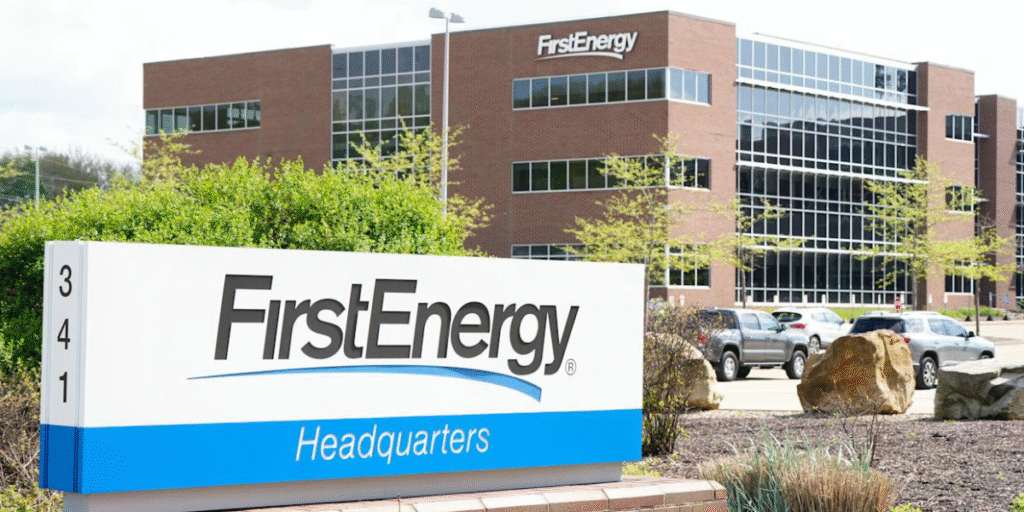
Northeast Ohio Faces Widespread Power Outages During Heat Wave
A massive FirstEnergy power outage has left thousands of residents across Northeast Ohio grappling with no electricity during a blistering heat wave, with temperatures soaring and heat indexes climbing past 100 degrees. The outages, sparked by a combination of equipment failures and unprecedented demand on the electric grid, have disrupted daily life, closed public buildings, and raised concerns about safety and reliability. As a journalist covering this unfolding crisis, I’ve seen firsthand how these outages are testing the resilience of communities and exposing vulnerabilities in our energy infrastructure.
What Happened: A Perfect Storm of Failures
The crisis began early last week when a fire erupted at Cleveland Public Power’s Lake Road substation around 3:56 a.m. on June 23, 2025. According to FirstEnergy, a battery overheating triggered the blaze, forcing crews to shut down the substation for safety. This incident alone caused widespread power outages across downtown Cleveland and nearby areas, affecting over 30,000 customers at its peak. Compounding the issue, FirstEnergy reported additional outages across the region due to heavy demand from air conditioners and fans as residents battled extreme heat.
In Adams County, Pennsylvania, another FirstEnergy subsidiary, Met-Ed, faced similar challenges. A substation fire in Littlestown and a transformer failure in Gardners left thousands without power. As of June 24, 2025, approximately 5,500 customers remained in the dark, with repairs expected to take days due to the complexity of the damage. FirstEnergy deployed temporary substations to mitigate the crisis, but full restoration lagged, leaving residents sweltering.
Social media platforms like X have been abuzz with frustration. Residents voiced their anger, with one user lamenting, “Thousands of us in the dark for the second time this week, in the hottest weather of the year, with no updates.” Another criticized FirstEnergy’s shifting timelines for restoration, highlighting the difficulty of planning around prolonged outages. These sentiments underscore a growing distrust in the utility’s ability to manage crises effectively.
Key Takeaways
- Widespread Impact: Over 50,000 FirstEnergy customers across Ohio and Pennsylvania experienced outages at the peak of the crisis.
- Heat Wave Strain: Extreme temperatures and high energy demand exacerbated the outages, pushing the grid to its limits.
- Infrastructure Concerns: Substation fires and equipment failures highlight the need for modernized energy systems.
- Community Frustration: Lack of clear communication from FirstEnergy has fueled public discontent, as seen in posts on X.
- Ongoing Repairs: While some areas have seen partial restoration, full recovery in hardest-hit regions may take days.
The Bigger Picture: A Grid Under Pressure
As I reflect on this situation, it’s hard not to see it as a wake-up call. The FirstEnergy power outage of 2025 isn’t just a localized issue—it’s a symptom of a broader challenge facing America’s aging electrical grid. The combination of extreme weather and increased reliance on electricity for cooling exposes how vulnerable our infrastructure is to climate-driven stress. In Cleveland, the closure of City Hall and limited operations at local courts disrupted essential services, leaving residents like me wondering how prepared our systems are for the future.
FirstEnergy has acknowledged the strain, stating, “We understand being without power is difficult, especially in this heat. Our crews are investigating the causes and working to restore power as quickly and safely as possible.” Yet, the utility’s response has been criticized for lacking transparency. For instance, a Lakewood resident posted on X, “No power since 11 a.m., and every status update still doesn’t know what the problem is. This is unacceptable.” This echoes my own frustration as a journalist trying to get clear answers for the public.
Community Impact and Response
The outages have hit hardest during a heat advisory, with “feels like” temperatures exceeding 100 degrees. In Cuyahoga County alone, over 18,590 customers were without power as of June 23, 2025, with Akron and Barberton also heavily affected. The Adams County Electric Cooperative urged residents to conserve energy, warning that excessive loads could lead to extended outages. This plea for conservation, while necessary, feels like a Band-Aid on a deeper wound—an infrastructure that struggles to keep up with modern demands.
Personally, I’ve spoken with neighbors who are relying on fans and open windows, risking heat-related illnesses, especially for the elderly and medically vulnerable. The lack of power has also disrupted businesses, with some local shops in Cleveland closing early due to unbearable indoor conditions. It’s disheartening to see communities forced to adapt to failures beyond their control, and it raises questions about whether utilities like FirstEnergy are doing enough to prevent such crises.
Looking Ahead: Solutions and Accountability
FirstEnergy has promised round-the-clock efforts to restore power, with temporary substations and increased staffing. However, the repeated outages—coupled with public outcry over proposed rate hikes in places like New Jersey—suggest a need for greater accountability. On X, one user sarcastically remarked, “No power for 6 hours, and you want a 20% rate hike? Laughable.” This sentiment resonates with me; how can utilities justify higher costs when basic reliability remains a challenge?
To address these issues, investments in grid modernization, renewable energy integration, and proactive maintenance are critical. As climate change drives more extreme weather, utilities must prioritize resilience to prevent future power outages. For now, FirstEnergy customers are left waiting, hoping for relief as crews work through the heat to restore normalcy.
The FirstEnergy power outage of 2025 has exposed the fragility of our energy systems in the face of extreme weather and aging infrastructure. As a journalist and a resident of an affected area, I feel the weight of this disruption alongside my community. While FirstEnergy scrambles to restore power, the broader lesson is clear: we need a more robust, future-proof grid to keep the lights on. For updates on power restoration, visit FirstEnergy’s outage map or follow local news outlets.

