
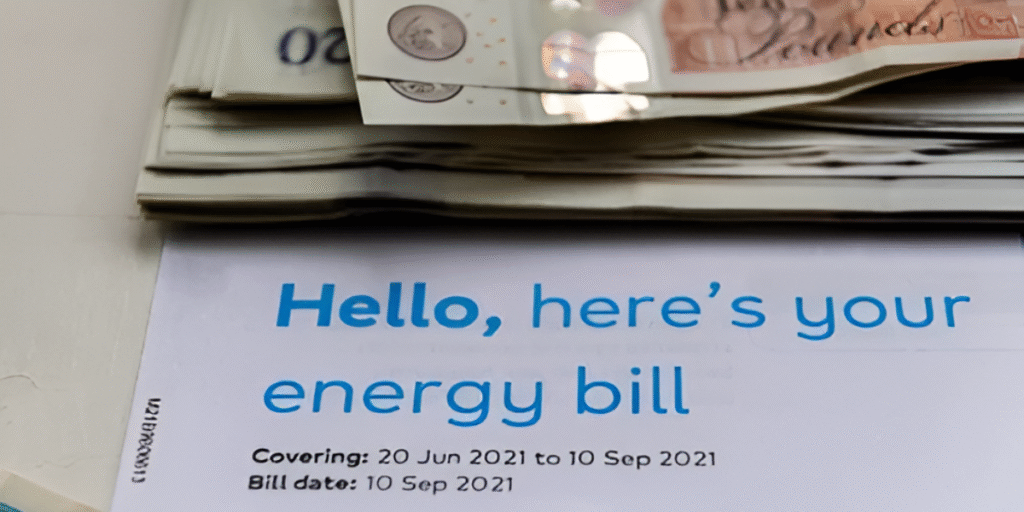
Households Risk Higher Bills Without Action Before July 1 Deadline
As the UK braces for a 7% drop in the energy price cap starting July 1, 2025, households with British Gas, Octopus, EON, EDF, and OVO are being urgently warned to submit meter readings to avoid overpaying on energy bills. The new price cap, set by regulator Ofgem, will reduce typical household energy costs by £129, bringing the average annual bill to £1,720. However, without accurate meter readings, millions risk being charged at higher rates for energy used before the change. As a journalist covering this critical issue, I’ve seen how small oversights like missing a meter reading can lead to unexpected costs, hitting families hard during an already challenging economic period. Below, I explore the details, implications, and steps households can take to stay ahead.
Why Meter Readings Matter Now
The energy price cap, which governs what most households in England, Scotland, and Wales pay for gas and electricity, will fall from £1,849 to £1,720 starting July 1, 2025, a significant relief compared to the £2,380 peak during the 2023 energy crisis. However, this cap sets the maximum unit rate for energy, not the total bill, which depends on usage. Customers of major suppliers—British Gas, Octopus, EON, EDF, and OVO—who rely on standard variable tariffs and lack smart meters must submit readings by June 30 to ensure their June usage is billed at the current, higher rate, not the lower July rate.
Failure to do so could lead to estimated bills, where suppliers assume higher usage at the old rate, resulting in overcharges. Uswitch research reveals that 20% of households without smart meters haven’t submitted readings in the past three months, and 6% haven’t done so in a year, risking a collective overpayment of millions. Ben Gallizzi, Uswitch energy spokesman, emphasized, “Customers who don’t have a smart meter should submit their readings before or on Tuesday, July 1, so their supplier has an updated and accurate view of their account”. Social media platforms like X are buzzing with reminders, with one user posting, “Don’t forget to submit your meter readings by tonight, or you’ll be paying more than you should! #EnergyBills”.
Key Takeaways
- Energy Price Cap Drop: Ofgem’s new cap reduces average household bills by 7%, or £129, to £1,720 starting July 1, 2025.
- Meter Reading Deadline: British Gas, Octopus, EON, EDF, and OVO customers without smart meters must submit readings by June 30 to avoid overpaying.
- Overpayment Risk: Estimated bills could lead to millions in collective overcharges if readings aren’t submitted.
- Fixed Deal Opportunities: Ten fixed deals are currently cheaper than the July cap, offering savings up to £145 annually.
- Future Price Hikes Loom: Experts predict a potential rise in the price cap this autumn, urging households to act now.
The Bigger Picture: Navigating a Volatile Energy Market
As someone who’s tracked energy costs for years, I find this moment bittersweet. The 7% price cap reduction is welcome relief after years of soaring bills, but it’s still 10% higher than last year’s £1,568 cap, reflecting persistent market pressures. The urgency to submit meter readings highlights a broader issue: the UK’s reliance on manual processes for millions without smart meters. I’ve spoken with neighbors who struggle to locate their meters or understand how to read them, and it’s frustrating to see how a lack of clear guidance can lead to financial penalties. Uswitch notes that 14% of Britons are unsure how to submit readings, and 12% don’t know where their meter is located.
For standard electricity meters, customers should record the first five numbers from left to right, ignoring red numbers or decimals. For two-row meters, both readings are needed. Dial meters require noting the direction of each dial, which alternates, while digital metric meters use the first five numbers, and imperial meters use the four black numbers. Smart meter users are spared this hassle, as their devices automatically send data, but only about a third of households have adopted fixed deals outside the price cap, leaving 22 million on variable tariffs vulnerable to fluctuations.
Public Response and Supplier Deadlines
The call to action has sparked widespread discussion. On X, users are sharing tips, with one posting, “Took a photo of my meter for British Gas—saved £50 last time the cap changed!”. However, frustration is evident, with another user venting, “Why is it always on us to fix the suppliers’ billing mess? Smart meters should be standard by now”. I share this sentiment—while suppliers like Octopus are pushing innovative “Zero Bills” initiatives, the burden of manual readings feels outdated in 2025.
Suppliers have set varying deadlines for submissions. British Gas allows backdating until July 14, EDF until July 9, and Octopus until July 8, but OVO and EON urge prompt action by July 1 to avoid delays. Les Roberts, a business energy expert at Bionic, advised, “Submitting meter readings monthly ensures your bills are correct, regardless of which tariff you’re on”. This habit could save households from surprises, especially with experts like Gallizzi warning of a potential price cap rise this autumn due to global energy market uncertainty.
Opportunities to Save and Future Concerns
Ofgem has highlighted that the price cap isn’t the only option, with 10 fixed deals currently offering savings of up to £145 compared to the July cap. Emily Seymour, energy editor at Which?, recommends comparing fixed deals against variable tariffs to find the best fit. However, fixed tariffs lock in rates for a set period, typically 12 months, and may not always stay cheaper if prices drop further. As a journalist and consumer, I’ve seen friends lock in deals only to regret it when better offers emerged, so timing is critical. Still, with predictions of a 1% cap increase in October 2025 to £1,738 and another in April 2026 to £1,762, fixing now could offer stability.
The broader energy landscape remains uncertain. Global oil market volatility, as seen in the recent Prax Lindsey Oil Refinery insolvency, underscores the fragility of supply chains, which could drive future price hikes. Living in a household that juggles tight budgets, I know how daunting these fluctuations can feel. The push for meter readings is a small but actionable step to regain control, yet it’s a reminder that systemic issues—like slow smart meter rollouts—persist.
How to Act and Stay Informed
Households should submit readings via their supplier’s website, app, or phone line before midnight on June 30. Taking a photo, as suggested on X, can serve as proof if disputes arise. If errors appear on bills, contact your supplier immediately, and escalate unresolved issues to the Energy Ombudsman. For those exploring fixed deals, comparison sites like Uswitch can highlight savings, but act quickly—deals may vanish as autumn price hikes loom.
Conclusion
The 7% energy price cap drop on July 1, 2025, offers relief for British Gas, Octopus, EON, EDF, and OVO customers, but only if they submit meter readings to avoid overpaying. As a journalist, I’m struck by how a simple action like reading a meter can make or break a household’s budget, yet it’s frustrating that millions still face this hurdle. With potential price rises on the horizon, now is the time to act—submit readings, explore fixed deals, and stay vigilant. For updates, check Ofgem’s website or follow trusted sources like GB News for the latest energy news. Don’t let an estimated bill dim your savings.

