
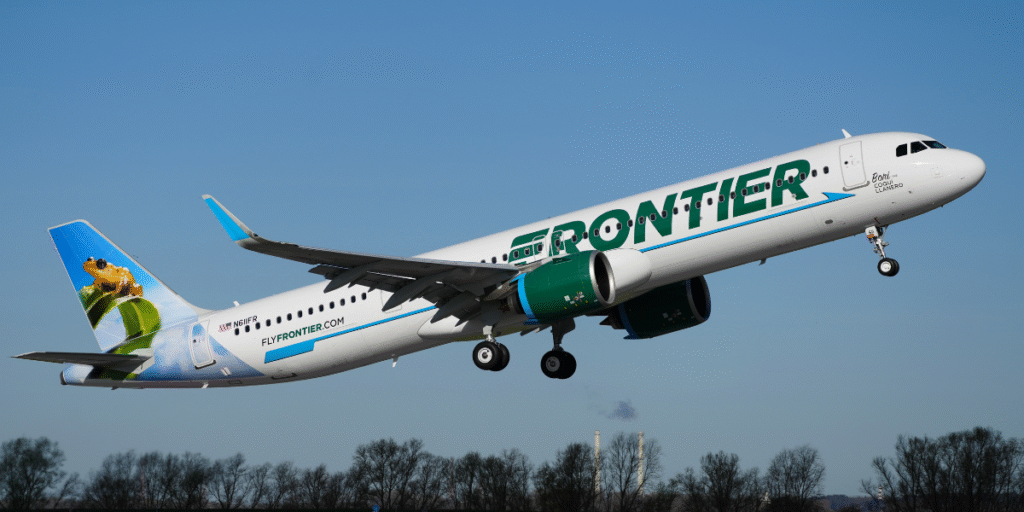
In the ever-evolving landscape of U.S. air travel, Frontier Airlines latest news in September 2025 paints a picture of ambitious growth amid persistent challenges. From launching new routes to defending its ultra-low-cost airline strategy, Frontier is making headlines for both its innovations and its struggles. This article delves into the recent developments, offering a comprehensive look at how this Denver-based carrier is positioning itself in a competitive market dominated by legacy giants and fellow discounters.
Frontier Airlines, known for its no-frills approach and animal-themed aircraft tails, has been aggressive in expanding its network this year. On September 4, 2025, the airline announced the addition of 22 new routes set to launch later in the year, bolstering connectivity across the United States, the Caribbean, and Latin America. These Frontier Airlines new routes include service from key hubs like Fort Lauderdale, Detroit, Baltimore, Houston, Charlotte, and Dallas, with introductory fares starting as low as $29. This move comes on the heels of an August 26 announcement where Frontier committed to becoming the number one low-fare carrier in the top 20 U.S. metros, underscoring its focus on affordability in high-demand markets. In my view, this expansion strategy is a smart play for Frontier, as it capitalizes on gaps left by struggling competitors, allowing the airline to capture price-sensitive travelers who prioritize cost over amenities.
Adding to the excitement for budget-conscious flyers, Frontier Airlines rolled out a limited-time early access deal for its 2026-2027 GoWild! All-You-Can-Fly Annual Pass on September 2, 2025. Priced at just $299—half off the regular $599—the pass offers unlimited flights for a year, subject to blackout dates and booking fees. Available only through September 5, this promotion is Frontier’s biggest GoWild deal yet, aimed at locking in loyal customers early. As someone who’s tracked airline loyalty programs, I see this as a clever way to build recurring revenue in an industry where customer retention is notoriously fickle, especially among millennials and Gen Z travelers seeking spontaneous adventures.
Amid these positive strides, Frontier Airlines CEO Barry Biffle has been vocal in defending the ultra-low-cost carrier model. Speaking at the Skift Global Forum on September 17, 2025, Biffle asserted that the model is “alive and well,” pushing back against critics like United Airlines CEO Scott Kirby, who has labeled it a failed experiment. Biffle highlighted widening cost advantages for ultra-low-cost airlines despite industry-wide oversupply issues hurting yields. He predicted capacity reductions across the board in the coming years, with ultra-low-cost carriers expected to see a 3.7% drop in the fourth quarter, largely due to cuts by rivals like Spirit Airlines. Frontier is stepping in to fill voids left by Spirit’s second bankruptcy filing this year, announcing 42 new routes since late August to target those markets. From my perspective, Biffle’s confidence is refreshing in an era where consolidation threatens smaller players; it reminds us that the ultra-low-cost airlines sector democratizes air travel, making it accessible to families and budget travelers who might otherwise stay grounded.
However, not all is smooth sailing. Frontier has forecasted larger-than-expected financial losses for the third quarter of 2025, attributing them to network adjustments and capacity trims. To counter this, the airline is innovating with premium offerings, such as introducing first-class seating in early 2026 and aiming to double loyalty revenue per passenger. Biffle also noted customer indifference to free baggage policies, citing a brief booking spike that flattened after a promotional trial. In a broader context, these financial headwinds reflect the intense price wars and high operational costs plaguing the industry, including fuel prices and debt burdens.
Key Takeaways
- Expansion Drive: Frontier Airlines is adding 22 new routes in late 2025, focusing on affordability with fares from $19, enhancing its presence in domestic and international markets.
- Loyalty Boost: The discounted GoWild! Pass at $299 promotes unlimited travel, targeting cost-savvy consumers and building long-term engagement.
- CEO’s Stance: Barry Biffle defends the ultra-low-cost model against critics, emphasizing cost edges and market opportunities amid rivals’ struggles.
- Financial Challenges: Wider Q3 losses highlight the need for strategic shifts, including premium seating and loyalty enhancements.
- Operational Hurdles: Recent cancellations and poor rankings underscore areas for improvement in reliability and customer satisfaction.
On the operational front, Frontier Airlines faced significant disruptions on September 19, 2025, canceling 55 U.S. flights amid a broader wave of issues affecting multiple carriers. These cancellations impacted major airports and international routes, including connections to Europe and the Caribbean. The timing coincides with a public CEO clash, where Biffle rebuffed Kirby’s skepticism, arguing that oversupply—not the budget model—is the real culprit behind industry woes. Meanwhile, Spirit Airlines’ plans to cut jobs and shrink its network by 25% in November add to the competitive turbulence, as legacy carriers like United expand aggressively. As a reporter who’s covered countless airline meltdowns, I believe these events highlight the fragility of low-cost operations, where slim margins leave little room for error in the face of external factors like weather or supply chain snags.
Compounding these challenges, Frontier Airlines has been named the worst airline in the U.S. for 2025 by AirAdvisor, scoring a dismal 4.17 out of 10 in their comprehensive rankings. The evaluation, based on nine categories including reliability, comfort, safety, and customer reputation, drew from millions of flights, baggage data, and over a million reviews from 2023-2024. Frontier ranked dead last, earning the lowest scores in comfort (1/10), customer reputation (1/10), and professional awards (1/10), while being second-worst in reliability (2/10) due to high rates of delays, cancellations, and mishandled bags. Despite topping the cost category (10/10) for its cheap fares, these strengths couldn’t offset the weaknesses. In contrast, Delta Air Lines claimed the top spot with 8.33/10, excelling in comfort and family travel. Personally, while Frontier’s rock-bottom prices are a boon for wallet-watchers, this ranking serves as a wake-up call; in my experience, sustained success in aviation requires balancing affordability with basic service quality to avoid alienating passengers long-term.
Looking ahead, Frontier Airlines is also teasing major changes under its “The New Frontier” initiative, including bigger seats, free upgrades for elite loyalty members starting early 2025, and enhanced offerings to improve the passenger experience. These upgrades could help mitigate some of the criticisms highlighted in recent rankings and financial reports. As the airline industry grapples with post-pandemic recovery, economic pressures, and shifting consumer preferences, Frontier’s trajectory will be one to watch closely.
In conclusion, the Frontier Airlines updates in 2025 reflect a carrier at a crossroads: pushing forward with growth and innovation while contending with operational and reputational hurdles. Whether Biffle’s optimism in the ultra-low-cost airlines model proves prescient or not, one thing is clear—competition is fiercer than ever, and only those who adapt will soar. For travelers eyeing Frontier Airlines flights, these developments offer both opportunities for savings and reasons for caution.

