
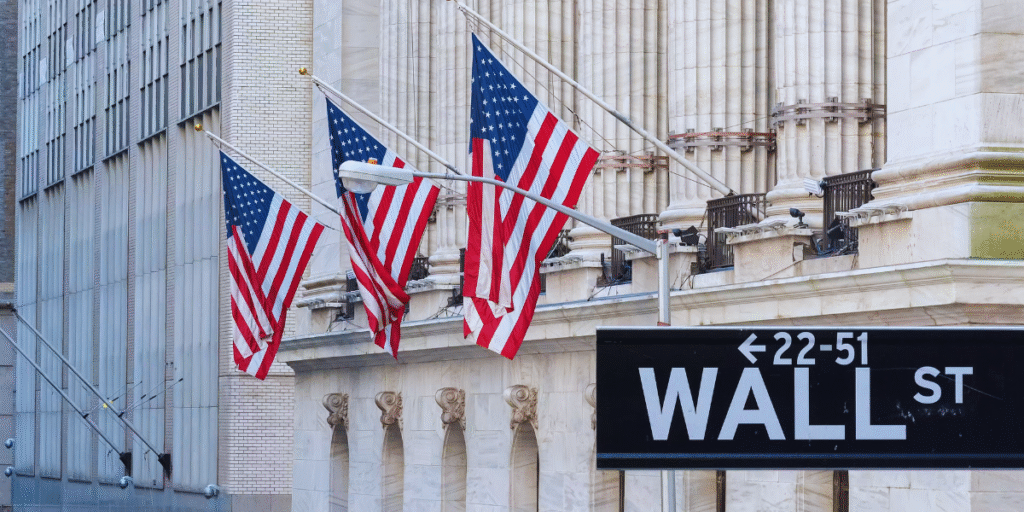
The private markets, long the domain of institutional investors and high-net-worth individuals, are becoming a new frontier for Wall Street as firms like Robinhood, Blackstone, and Apollo Global Management push to democratize access, per The New York Times. With private market assets projected to reach $62 trillion globally by 2034, growing twice as fast as public markets, according to Bain & Company, brokerage houses and start-ups are launching exchange-traded funds (ETFs) and advocating for regulatory changes to bring private equity and venture capital to retail investors. The Trump administration’s proposed executive order to include private investments in 401(k) plans has further fueled this trend, per CNBC. As a financial journalist covering Wall Street for over a decade, I see this as a transformative shift that could unlock wealth-building opportunities but carries significant investment risks. This article explores the private markets boom, Wall Street’s push for public access, financial implications, and the evolving investment landscape, blending latest updates with my insights.
Wall Street’s Push: New ETFs and Platforms Expand Access
On July 19, Robinhood announced plans to simplify private company investments through its app, targeting accredited investors with a streamlined interface for pre-IPO shares, per The New York Times. Meanwhile, Nasdaq Private Market (NPM), which facilitated $50 billion in secondary transactions for 400+ private companies, expanded its SecondMarket® platform to connect retail investors with private equity funds, per Nasdaqprivatemarket.com. Apollo Global Management partnered with State Street to launch a private credit ETF with a 1.3% dividend yield, while Blackstone collaborated with Vanguard to offer public-private hybrid products, per CNBC. These moves aim to lower the $5-10 million minimums typical of private funds, per Moonfare.com.
The private markets have surged, with assets under management (AUM) tripling since 2013 to $13.1 trillion in 2024, per McKinsey. Unicorns—private companies valued at $1 billion or more—now number nearly 1,500 globally, per The New York Times. Morningstar’s Unicorn 30 Index and Buyout Replication Index use machine learning to mimic late-stage venture capital and buyout strategies, offering retail investors exposure to firms like SpaceX and OpenAI, per Institutional Investor. My perspective: Robinhood’s entry feels like a game-changer, echoing its 2021 IPO frenzy I covered, but the high fees (e.g., 1.79% for Invesco’s PSP ETF) could erode returns, a concern I’ve seen with alternative investments.
Regulatory Shifts: Trump’s 401(k) Plan and SEC Reforms
The Trump administration is drafting an executive order to guide the SEC and Department of Labor in allowing private market investments in 401(k) plans, per CNBC. This would relax accredited investor rules, currently requiring $200,000 annual income or $1 million net worth, per Fisher Investments. The SEC is also exploring redefining shareholder counting to prevent deregistration arbitrage, where firms avoid public disclosures by keeping fewer than 300 shareholders, per SEC.gov. Washington’s support reflects a belief that retail investors deserve access to high-growth private companies, per Politico.
However, regulatory barriers persist. Private investments lack the transparency of public companies, which must file audited financials with the SEC, per The New York Times. Jonathan Foster, CEO of Angeles Wealth Management, warned of illiquidity and total loss risks, per The New York Times. My insight: The 401(k) push could mirror the pension fund access of the 1990s, but I’ve covered Enron’s fallout—retail investors need robust disclosure rules to avoid catastrophic losses in opaque markets.
Key Takeaways
- Private Market Boom: Private assets hit $13.1 trillion in 2024, projected to reach $62 trillion by 2034, per Bain & Company.
- Wall Street’s Push: Robinhood and Nasdaq Private Market launched platforms for retail investors, while Apollo and Blackstone offer private credit ETFs, per CNBC.
- Regulatory Shift: Trump’s executive order aims to include private investments in 401(k) plans, easing accredited investor rules, per Politico.
- High Risks: Private markets lack transparency and liquidity, with 10-15 year lockups, per Moonfare.com.
- ETF Challenges: Private equity ETFs like PSP and PEX have high fees (up to 2.99%), per Investopedia.
Financial Implications: Opportunities and Risks
The private markets offer higher returns—private equity averaged 11% annually from 2000-2021, outpacing public equities’ 6.9%, per CAIA. Diversification is another draw, as private assets correlate less with public markets, per Institutional Investor. State Street’s Private Equity Index, tracking $5.7 trillion in 4,100 funds, shows growing retail access, per Investopedia. However, high fees (e.g., 2.99% for ProShares PEX ETF) and illiquidity—with 10-15 year lockups—pose challenges, per Moonfare.com. Private equity ETFs like Invesco’s PSP manage only $324 million, lagging S&P 500 ETFs, per Investopedia.
AMZN stock dipped 0.2% to $192.34 on July 21, reflecting market uncertainty, while Blackstone (BX) rose 1.8% to $149.12, per Nasdaq. X posts, like @MoHossain, highlight Wall Street’s enthusiasm for private debt and LBOs, per The New York Times. My take: Private equity ETFs could attract retail investors, but I’ve seen high-fee funds underperform, as with hedge funds in 2018. Liquidity risks remind me of real estate funds frozen during the 2008 crisis—investors need clear risk disclosures.
Industry Trends: Platforms and Indexes Lead the Way
Nasdaq Private Market’s SecondMarket® facilitates tender offers, auctions, and block trades, serving 100,000+ investors, per Nasdaqprivatemarket.com. JPMorgan’s Capital Connect and Instinet’s DealMatch match start-ups with institutional investors, per GARP. Morningstar’s Unicorn 30 Index targets late-stage ventures like ByteDance, offering liquid exposure, per Institutional Investor. Private Markets Alpha, a London-based platform, supports wealth managers with alternative credit and venture capital, per GARP.
The private markets’ growth outpaces public markets since 2007, with less than 1% of U.S. companies publicly traded, per Forbes. My perspective: Platforms like NPM streamline secondary trading, but valuation challenges persist, as I saw with LinkedIn’s 2011 $2.51 billion private valuation versus $6.7 billion public, per The New York Times. Wall Street must prioritize transparency to protect retail investors.
Economic Context and Investor Sentiment
The private markets push aligns with 2.7% core PCE inflation and Federal Reserve rate cut debates, per Nasdaq. The Big Beautiful Bill, passed July 3, 2025, offers tax cuts that could boost consumer spending, per Forbes, supporting private market investments. However, Trump’s 35% Canada tariff proposal raises supply chain concerns, per Yahoo Finance. S&P 500 dipped 0.1% to 6,252, while Nasdaq hit 20,717, per Yahoo Finance, reflecting tech optimism.
My insight: Tax cuts could fuel 401(k) inflows, but tariffs may raise private fund costs, as I saw with trade wars impacting Apple in 2018. Retail investors are eager, per X posts like @15MinuteNewsBus, but high-risk warnings from Moody’s in The Wall Street Journal echo my concerns about overvaluation risks.
Looking Ahead: Balancing Access and Risk
Wall Street’s efforts to open private markets could reshape retail investing, with ETFs and 401(k) access driving capital inflows. Apollo’s $785 billion AUM and Blackstone’s $1.1 trillion position them as leaders, per CNBC. However, SEC reforms must address disclosure gaps, per SEC.gov. Investors can track private market trends on Nasdaq.com, CNBC, or The New York Times, and follow @Reuters on X for market updates.
I’m excited by the democratization potential but wary of retail investor risks. The 2008 financial crisis, which I covered, showed how opaque investments can devastate portfolios. Wall Street must balance accessibility with transparency to avoid repeating history. The private markets boom is a bold step, but investor education is critical to its success.

