
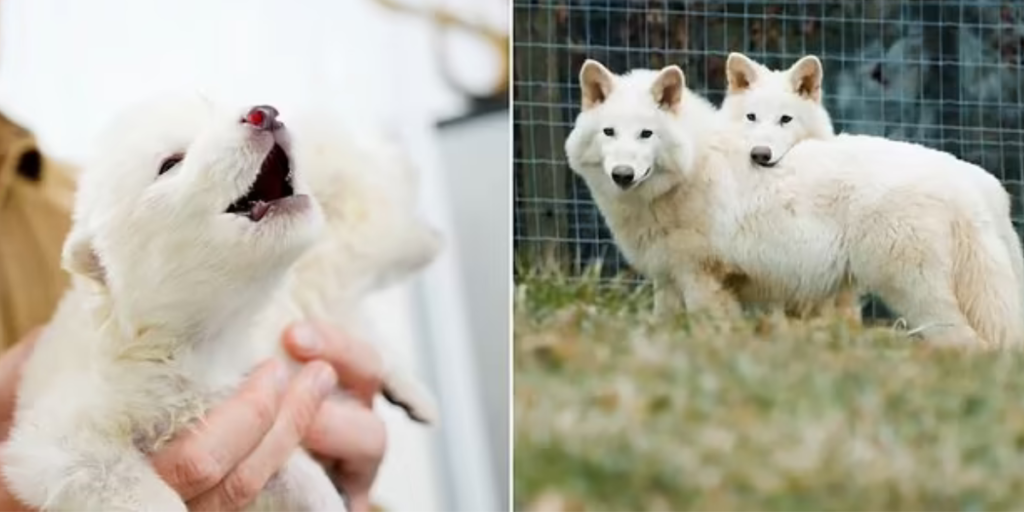
In a jaw-dropping twist of science and fiction, Colossal Biosciences has announced the creation of three direwolf pups, marking what they call the “world’s first successful de-extinction” of a species extinct for over 12,000 years. Revealed Monday, the recent direwolf news has sent shockwaves through the biotech and conservation worlds, with the Dallas-based firm showcasing Romulus, Remus, and Khaleesi—genetically engineered wolves bearing traits of the prehistoric Aenocyon dirus, famed from Game of Thrones. As direwolf creation 2025 updates flood media and ignite debates, this bold move raises hopes for ecological restoration but also sparks skepticism about the true nature of these “revived” beasts. Is this a triumph of genetic engineering or a stretch of the de-extinction narrative?
Colossal, known for its ambitious efforts to resurrect the woolly mammoth and dodo, used ancient DNA from a 13,000-year-old tooth and a 72,000-year-old skull to craft these pups, born between October 2024 and January 2025. The direwolf news 2025 highlights a blend of cloning and CRISPR gene-editing, with the pups now housed in a secure, undisclosed 2,000-acre preserve. Weighing up to 80 pounds and standing nearly four feet tall at six months, they’re already larger than typical gray wolves, fueling excitement—and controversy—around this groundbreaking feat.
A Prehistoric Comeback Ignites Debate
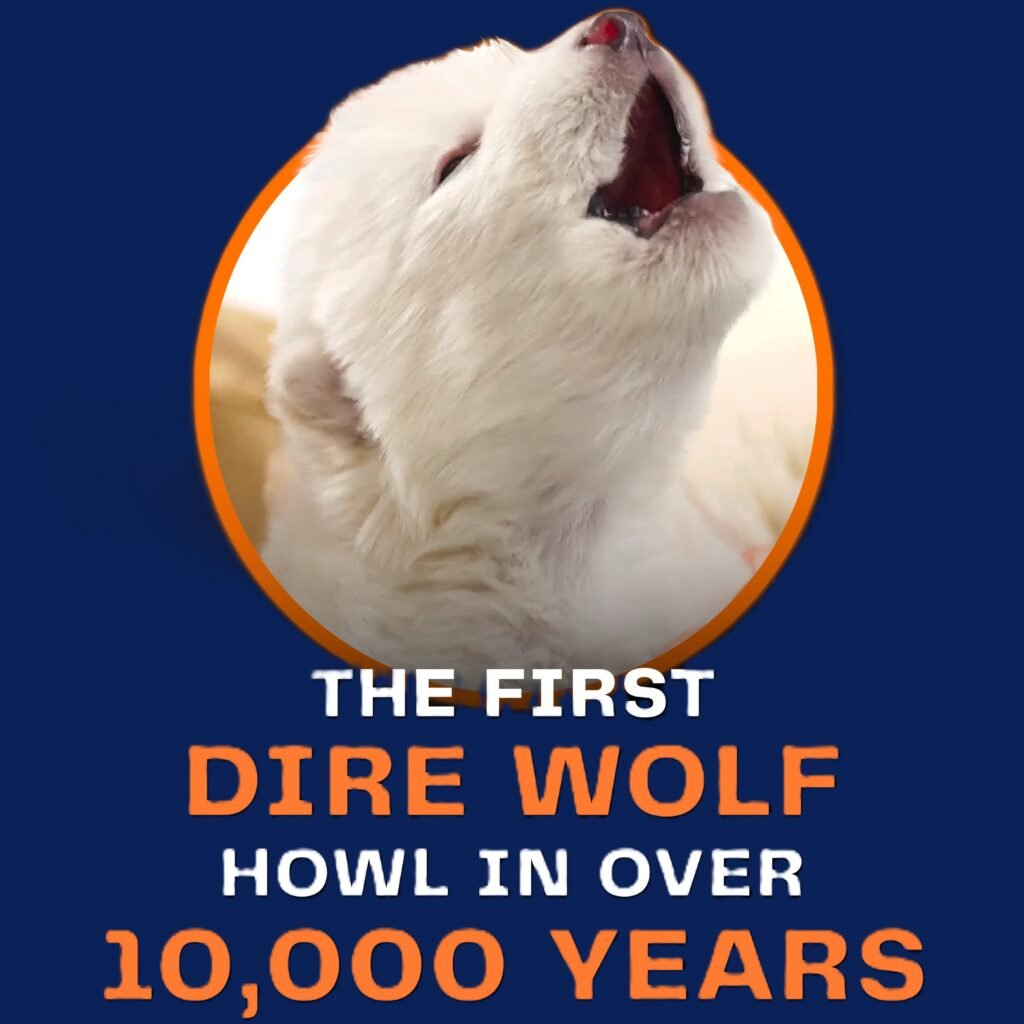
The direwolf creation 2025 announcement broke Monday, with Colossal’s CEO Ben Lamm hailing it as a “massive milestone” in de-extinction technology. Using DNA from extinct direwolf fossils, scientists edited gray wolf genes to mirror their Ice Age cousins, implanting the embryos into surrogate domestic dogs. Romulus and Remus, born October 1, 2024, and Khaleesi, born January 30, 2025, howl with a vigor unseen since the Pleistocene, per the company’s video release. The recent direwolf news has X buzzing with awe and skepticism, with some calling it a “Game of Thrones miracle” and others questioning its authenticity.
I’ve been fascinated by wildlife since watching Jurassic Park as a kid, and this direwolf news 2025 feels like sci-fi leaping off the screen. The idea of seeing these massive, white-furred predators roam again is thrilling—80 pounds at six months? That’s bigger than my dog! But I’m wary too; the gray wolf base raises doubts. My cousin’s a biologist, and he’s skeptical—calling it “genetic cosplay” rather than true revival. The direwolf creation 2025 hype is electric, but I’m holding off judgment until the science holds up under scrutiny.
The Science Behind the Howl
Colossal’s process involved extracting direwolf DNA from museum fossils—a tooth from Ohio and a skull from Idaho—then using CRISPR to tweak gray wolf genomes at 20 key sites. The edited embryos were implanted into large mixed-breed dogs, yielding the three pups after 45 attempts, per company statements. The direwolf news 2025 notes the pups’ thick white fur, muscular jaws, and projected 140-pound adult weight, traits echoing their extinct ancestors. Colossal aims to reintroduce them as a thriving species, potentially aiding ecosystem balance, while also cloning critically endangered red wolves.
Here’s my take: the tech’s impressive—CRISPR’s a game-changer I’ve read about in biotech journals—but the ethics nag at me. I’ve hiked with wolves in Yellowstone, and these “direwolves” feel like a hybrid experiment, not a pure comeback. The direwolf creation 2025 push might restore lost biodiversity, as Colossal claims, but the surrogate dog angle and limited sample size make me wonder if we’re playing God with half-baked results. My gut says it’s a proof-of-concept, not a resurrection—yet.
Key Takeaways
- De-Extinction Milestone: Colossal Biosciences’ direwolf creation 2025 marks the first claimed revival of a species extinct for 12,000 years, per recent direwolf news.
- Genetic Process: DNA from ancient fossils and CRISPR-edited gray wolves birthed Romulus, Remus, and Khaleesi, housed in a secure preserve.
- Conservation Goals: The project aims to bolster ecosystems, alongside red wolf cloning, in 2025 direwolf news updates.
- Skepticism Rises: Experts debate if these are true direwolves or modified gray wolves, fueling direwolf creation 2025 controversy.
Controversy Clouds the Triumph
Not everyone’s cheering. Scientists like Vincent Lynch from the University of Buffalo argue these are “gray wolves with direwolf-like traits,” not authentic Aenocyon dirus, per NBC News. The direwolf news 2025 has sparked a rift—some hail it as a conservation win, others see it as misleading hype. Colossal defends its work as a step toward reversing extinction, with plans for mammoths and Tasmanian tigers next, but critics question animal welfare and resource allocation. X posts reflect the split, with “#DeExtinction” trending alongside “#FakeWolves” jabs.
I’ve followed conservation debates, and this feels like a double-edged sword. The direwolf creation 2025 effort could inspire habitat restoration—my last trip to a wildlife refuge showed how reintroductions boost biodiversity. But the ethical cost? Raising these pups in a secret pen, surrounded by drones, feels more like a zoo than a wild return. The recent direwolf news has me torn—hopeful for science’s potential, cautious of its overreach. I’d love to see them thrive, but not at the expense of clarity or care.
Ecosystem Impact and Future Plans
Colossal envisions these direwolves aiding ecosystems, potentially controlling prey populations as their ancestors did. The direwolf news 2025 suggests a 2,000-acre preserve with high-security fencing and 24/7 surveillance, where the pups—now six months to three months old—grow toward maturity. The company’s broader mission includes reviving mammoths to combat climate change and cloning red wolves to save that species, per The Hindu. Yet, the scale of reintroduction remains unclear, with ecological risks like habitat disruption looming.
My insight: I’ve camped in wolf country, and rewilding’s a dream I’ve cheered—gray wolves revived Yellowstone’s balance. But these direwolf creation 2025 pups? Their hybrid nature and confined start make me skeptical of a true ecological fit. The recent direwolf news hints at noble intent, but scaling this up could disrupt more than it heals. My hope’s with the red wolves—less flashy, more urgent. Colossal’s ambition is bold, but execution’s the test.
What Lies Ahead for Direwolves?
The direwolf news 2025 story’s just beginning. Colossal plans to monitor the pups’ growth—Romulus and Remus at 80 pounds, Khaleesi catching up—while refining de-extinction tech. Public reaction will shape future moves, with X debates raging over ethics and authenticity. The 2025 direwolf creation updates could pivot to broader releases or stall under scrutiny. As a biotech bellwether, Colossal’s next steps—mammoths, perhaps?—hang on this direwolf debut’s success.
As a journalist, I’m riveted by this saga. The direwolf creation 2025 narrative blends awe, science, and skepticism—it’s a frontier story unfolding live. Are these pups a glimpse of a resurrected past or a genetic mirage? My bet’s on cautious optimism—proof will come with time. The 2025 direwolf news is a wild ride; stay tuned, because this howl’s echoing far beyond Texas.

