
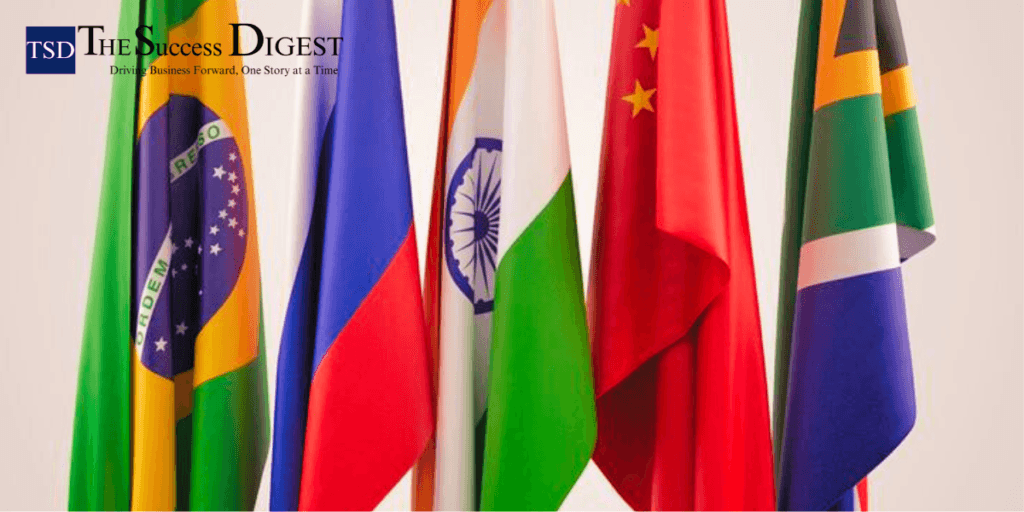
The acronym “BRICS” – originally representing Brazil, Russia, India, China, and South Africa – has recently evolved into “BRICS+,” reflecting the growing influence and expanding membership of this influential economic bloc. This shift signifies a significant development in the global geopolitical landscape, challenging the traditional dominance of Western-led institutions.
The Rise of BRICS:
Formed in 2009, BRICS initially emerged as a platform for dialogue and cooperation among major emerging economies. These nations, representing a significant portion of the world’s population and economic output, sought to address shared concerns and foster a more equitable global order.
Key Objectives of BRICS:
- Multilateralism: BRICS aims to promote a more inclusive and equitable multilateral system, challenging the dominance of institutions like the International Monetary Fund (IMF) and the World Bank. This reflects a desire for a more balanced global governance structure where emerging economies have a greater voice in decision-making processes.
- Economic Cooperation: The bloc focuses on enhancing trade and investment among member nations, fostering economic growth, and developing infrastructure projects. This includes initiatives like the New Development Bank (NDB), an alternative to Western-dominated financial institutions, which aims to fund infrastructure and sustainable development projects in member countries.
- Financial Reforms: BRICS seeks to establish alternative financial mechanisms, such as the New Development Bank (NDB), to reduce reliance on Western-dominated financial institutions. This move towards financial autonomy empowers member nations to pursue development paths that align with their own priorities, rather than being solely reliant on Western-led institutions and their associated conditions.
- Political Coordination: Member nations engage in political consultations on key global issues, including climate change, energy security, and counter-terrorism. This platform for political dialogue allows member nations to coordinate their positions on global challenges and exert greater influence on the international stage.
The BRICS+ Expansion:
The recent expansion of BRICS, with the addition of Argentina, Egypt, Ethiopia, Iran, Saudi Arabia, and the United Arab Emirates, marks a significant shift. This expansion signifies:
- Growing Global Influence: The enlarged bloc now represents a more diverse range of geopolitical interests and economic strengths, enhancing its overall global influence. The inclusion of major oil producers like Saudi Arabia and the UAE significantly strengthens the bloc’s economic and geopolitical clout, giving it greater leverage in global affairs.
- Economic Diversification: The inclusion of oil-rich nations like Saudi Arabia and the UAE adds significant economic heft to the bloc, diversifying its economic base. This diversification strengthens the bloc’s resilience to global economic shocks and provides new avenues for economic cooperation and integration among member nations.
- Geopolitical Significance: The expansion reflects the growing multi-polarity of the global order, with emerging powers increasingly asserting their influence on the world stage. The expansion of BRICS+ signals a shift in the global balance of power, challenging the traditional dominance of Western-led institutions and creating a more multipolar international system.
Challenges and Opportunities:
While the BRICS+ expansion presents significant opportunities for economic growth and global influence, several challenges remain:
- Internal Divisions: Diverging national interests and varying levels of economic development among member nations could hinder collective action. Addressing these internal divisions and fostering a shared vision for the bloc will be crucial for its long-term success.
- Competition with Existing Institutions: The bloc faces the challenge of effectively competing with established institutions like the G7 and the G20. This requires a concerted effort to enhance the effectiveness of BRICS+ institutions, such as the NDB, and to expand the bloc’s global reach and influence.
- Geopolitical Tensions: Geopolitical tensions between some member nations, such as India and China, could undermine the bloc’s unity. Managing these tensions and fostering a constructive and cooperative environment within the bloc will be essential for its continued growth and success.
The rise of BRICS+ represents a significant shift in the global balance of power. This expanding alliance has the potential to reshape the global economic and political landscape, fostering a more equitable and inclusive world order. However, overcoming internal divisions and navigating the complexities of the international arena will be crucial for the long-term success of the bloc

