
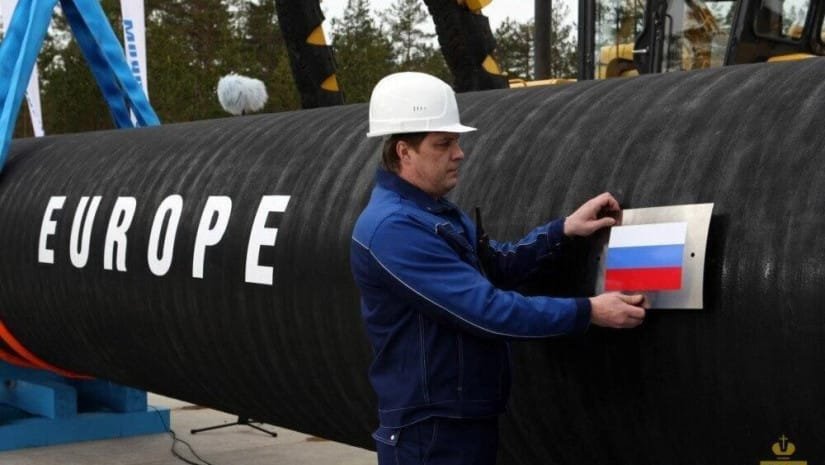
The transit of Russian gas through Ukraine, a key artery for Europe’s energy supply, remains in the spotlight as geopolitical tensions and evolving energy strategies shape the continent’s future. This issue is critical not only for energy security but also for the economic and political dynamics between Russia, Ukraine, and the European Union.
Ukraine has historically served as a major transit hub for Russian gas destined for European markets, but the ongoing conflict and shifting energy policies have raised questions about the long-term viability of this arrangement. The existing transit agreement between Gazprom, Russia’s state-owned energy giant, and Ukraine is set to expire at the end of 2024. Negotiations for an extension have stalled amid heightened hostilities and mutual distrust.
European nations, wary of over-reliance on Russian gas, have accelerated their efforts to diversify energy sources. LNG imports from the U.S., Norway, and Qatar, alongside investments in renewable energy and infrastructure, have partially reduced dependence on Russian supplies. However, Russian gas remains a significant part of Europe’s energy mix, and a disruption to the Ukrainian transit route could impact countries still reliant on these supplies.
From Russia’s perspective, the Nord Stream pipelines—though partially compromised—represent an alternative route to bypass Ukraine. Yet, Western sanctions and damage to Nord Stream 1 and 2 have curtailed Moscow’s leverage. For Ukraine, transit fees from Russian gas provide a vital economic lifeline, particularly as the country battles the financial strains of war.
Recent comments from Ukrainian officials highlight the risks involved. Ukraine’s energy minister, German Galushchenko, stressed that Kyiv remains committed to fulfilling its transit obligations but noted that security concerns and political pressures could influence future arrangements. On the Russian side, Gazprom has maintained that it is honoring its current contract while exploring other export strategies.
The broader implications extend to global energy markets. A reduction in Russian gas flows via Ukraine could tighten supply, driving up prices and complicating Europe’s efforts to secure affordable energy. This scenario underscores the urgency for coordinated energy policies and contingency planning across the EU.
As the clock ticks toward the end of the existing agreement, stakeholders face a complex interplay of energy security, economic interests, and geopolitical strategy. The outcome will not only shape Europe’s energy landscape but also set the tone for future relations between Russia, Ukraine, and the broader international community.
The evolving dynamics surrounding Russian gas transit through Ukraine highlight the fragility of energy interdependence in a geopolitically fractured world. For Europe, the road ahead demands resilience, innovation, and a united front in addressing these critical challenges.

