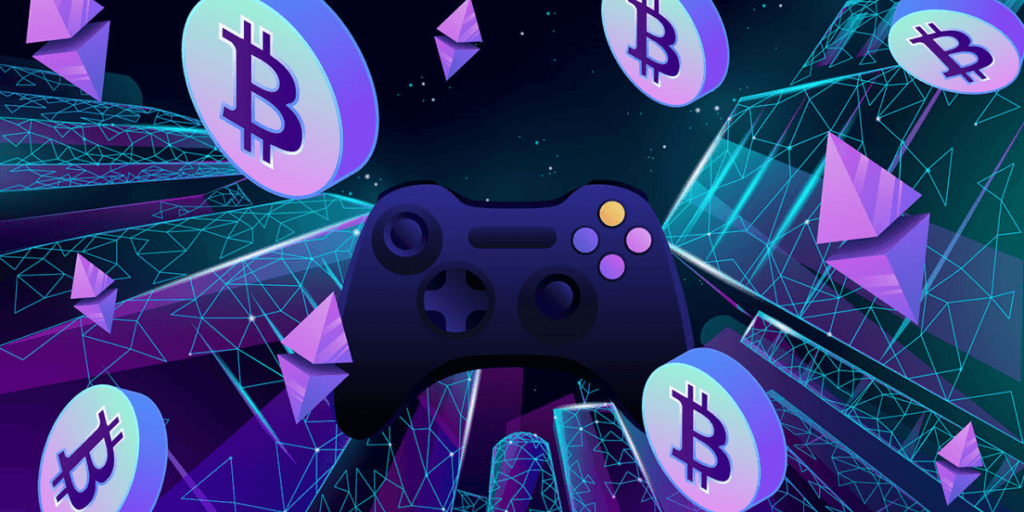
The gaming industry is undergoing a seismic shift, thanks to the emergence of blockchain technology and the rise of Web3. Gone are the days of centralized control and limited player ownership. Web3 gaming is ushering in a new era of decentralized experiences, where players have true ownership of their in-game assets, participate in governance, and earn rewards for their contributions.
The Blockchain Advantage:
- Decentralization: Blockchain technology eliminates the need for intermediaries, giving players direct control over their in-game assets. This fosters a more equitable and transparent gaming ecosystem.
- True Ownership: Players can truly own their in-game items, such as characters, skins, and virtual land, as NFTs (Non-Fungible Tokens). These assets can be traded, sold, and even used across different games, unlocking new levels of interoperability.
- Play-to-Earn (P2E) Models: Web3 games often incorporate P2E mechanics, allowing players to earn cryptocurrency or in-game rewards for their gameplay. This incentivizes active participation and creates new economic opportunities for gamers.
- Community Governance: Many Web3 games utilize decentralized autonomous organizations (DAOs) to empower players in decision-making processes. This fosters a sense of community ownership and allows players to shape the future of their favorite games.
Examples of Web3 Gaming:
- Axie Infinity: This popular P2E game allows players to collect, breed, and battle digital creatures called Axies. Players can earn rewards by competing in battles and participating in the in-game economy.
- The Sandbox: This metaverse platform allows players to create, own, and monetize their gaming experiences. Users can build and sell virtual worlds, play games, and interact with other players in a decentralized environment.
- Decentraland: Another metaverse platform that allows users to explore, create, and own virtual land. Players can buy and sell land, build experiences, and interact with other users in a 3D virtual world.
Challenges and Considerations:
- Volatility of Cryptocurrencies: The fluctuating value of cryptocurrencies can significantly impact the in-game economy and player earnings.
- Scalability Issues: Some blockchain networks may not be able to handle the high transaction volumes generated by popular games, leading to congestion and increased fees.
- Regulatory Uncertainty: The regulatory landscape for cryptocurrencies and Web3 gaming is still evolving, creating uncertainty for developers and players.
Personal Insights:
Web3 gaming has the potential to revolutionize the gaming industry by empowering players and fostering a more equitable and transparent ecosystem. However, it’s crucial to address the challenges and ensure that these games are sustainable, inclusive, and enjoyable for all players.
The Future of Gaming:
The future of gaming lies in the convergence of blockchain technology, virtual reality, and augmented reality. We can expect to see more immersive and interactive experiences, where players have unprecedented levels of ownership and control. Web3 gaming is still in its early stages, but its potential to transform the industry is undeniable.